From Booed to Brilliant: How Bo Bichette’s Mets Redemption Story Began
The sound is unmistakable in New York. It’s not the roar of the 7 train, nor the general din of the city that never sleeps. It’s a collective, guttural expression of profound dissatisfaction that can rattle the sturdiest of souls: the boo. For a new player, especially one with a famous name and immediate expectations, it can be a baptism by fire. For Bo Bichette, his Citi Field introduction lasted just three games before the chorus rained down. But in a dramatic, script-flipping performance in St. Louis, the Mets’ newest infielder authored the first chapter of what could become a classic New York redemption tale, transforming from early-season bum to Monday night hero.
The Icy Welcome: A Harsh but Honest New York Reality
Let’s be clear: New York fans are not patient. They are passionate, knowledgeable, and demand production, especially when a team is in a win-now window. When the Mets acquired Bo Bichette from the Toronto Blue Jays in a blockbuster offseason deal, the fanbase envisioned the dynamic, high-average hitter with the iconic swing finally providing stability and star power. The first series was a nightmare.
Bichette went a dismal 1-for-14 with eight strikeouts. The bat looked slow, the timing was off, and the pressure of the new uniform seemed palpable. The boos that followed were not personal, but they were performance-based. And in a refreshing display of self-awareness, Bichette didn’t make excuses.
“They were warranted,” Bichette admitted after that initial series. This accountability is the first crucial step in endearing oneself to the New York faithful. They can forgive a slump, but they despise denial. By acknowledging the struggle, Bichette showed a maturity that separates players who crumble in the Big Apple from those who eventually thrive.
The Road to Redemption: A Clutch Hit in St. Louis
Sometimes, a change of scenery—even just a different ballpark—can reset a mindset. On the road in St. Louis, with the Mets locked in a tense 2-2 battle with the Cardinals in the late innings, the game found Bichette. The stage was set: runners on, a chance to break the deadlock, and a city watching from afar, skeptical but hopeful.
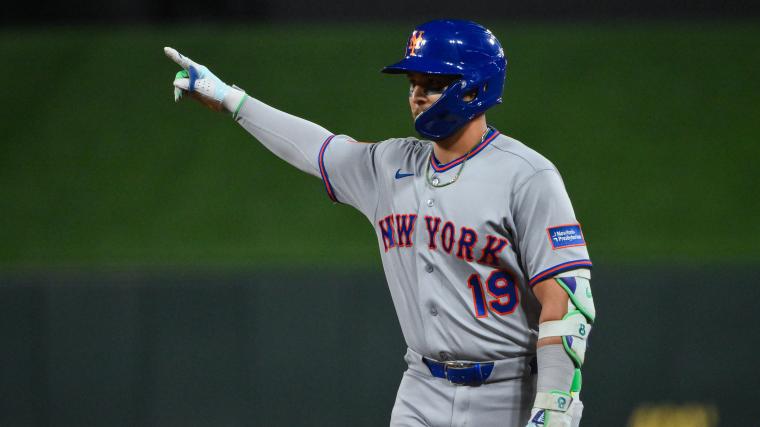
This is the moment that defines transitions. A strikeout here amplifies the early narrative. A weak grounder fuels the doubt. But Bichette, digging in against a tough Cardinals reliever, did what he was acquired to do. He delivered a sharp, go-ahead two-run single, slicing through the tension and propelling the Mets to an eventual 4-2 victory. The hit wasn’t just a box score entry; it was a statement.
- Pressure Performance: It came in a high-leverage, game-on-the-line situation.
- Team Need: It directly addressed the Mets’ recurring issue of timely hitting.
- Personal Catalyst: It served as immediate, tangible proof that the player they traded for is still in there.
The celebration in the dugout was visibly energetic, a sign that his teammates recognized the weight of the moment for him. This single swing didn’t erase the 1-for-14 start, but it completely rewrote the prevailing storyline from “bust” to “potential sparkplug.”
Expert Analysis: The Psychology of a New York Turnaround
What we witnessed with Bichette is a microcosm of the unique psychological gauntlet of playing in New York. The trajectory is often steep: immense hype, immediate scrutiny, a vocal low point, followed by a resilience test. Players like Mike Piazza and Curtis Granderson faced early boos before becoming beloved icons. The key differentiator is mental fortitude.
Bichette’s path is fascinating because his struggle was so acute and immediate. His willingness to own his poor start publicly disarmed critics and bought a sliver of goodwill. The clutch hit on the road then acts as a pressure release valve. It allows him to return to Citi Field not with the looming dread of more boos, but with the confidence of having already answered the call.
From a mechanical standpoint, the early strikeouts suggested he was trying to do too much—a classic symptom of pressing. The St. Louis at-bat likely represented a slight mental reset: see the ball, hit it up the middle, trust your ability. This simplified approach, born from the desperation to contribute, is often what breaks a slump and can lead to sustained success.
Predictions: What’s Next for Bo Bichette and the Mets?
One hit does not make a season, but it can certainly start one. For Bichette, the prediction is for a gradual, upward trend marked by consistency rather than immediate superstardom. The pressure to be the savior is now tempered. He can settle in as a crucial piece of the lineup, not the lone headline.
Here’s what to expect moving forward:
- A More Relaxed Hitter: Having the “first big hit” out of the way will ease tension. Look for his signature hard contact to increase.
- A Strong Homecoming: The next Citi Field series will feature more cheers than boos, giving him positive home energy to feed off.
- Lineup Stability: His success is key to lengthening the Mets’ batting order, providing protection for Pete Alonso and others.
- The Narrative Shift: The story is no longer “Can he handle New York?” but “How good can he be now that he’s broken through?”
For the Mets, this is a blueprint. It demonstrates to the entire clubhouse that early struggles are surmountable, and that resilience is the most valuable currency in a 162-game season. Bichette’s turnaround, if sustained, could be the internal spark that galvanizes the team through the long summer grind.
Conclusion: The Making of a Met
True New York sports heroes aren’t born; they are forged. They are often sculpted by the very fires of criticism that threaten to consume them. Bo Bichette’s first week with the Mets was a perfect, if painful, distillation of this process. He experienced the lowest of lows—the justified boos, the frustrating whiffs—and instead of hiding, he acknowledged it. Then, with the game on the line, he demonstrated the talent that made him a coveted acquisition in the first place.
His journey from bum to hero in a matter of days is more than just a good headline. It’s the foundational lore that great New York seasons are built upon. It creates a connection with the fans, who respect nothing more than a player who fights through adversity to help the team win. The boos have quieted for now, replaced by the hope that Monday night in St. Louis wasn’t an ending, but a beginning—the moment Bo Bichette didn’t just join the Mets, but started becoming a Met.
Source: Based on news from Yahoo Sports.