NCAA Responds After Brendan Sorsby Checks Into Treatment for Gambling Addiction: A Crisis of Integrity and Health
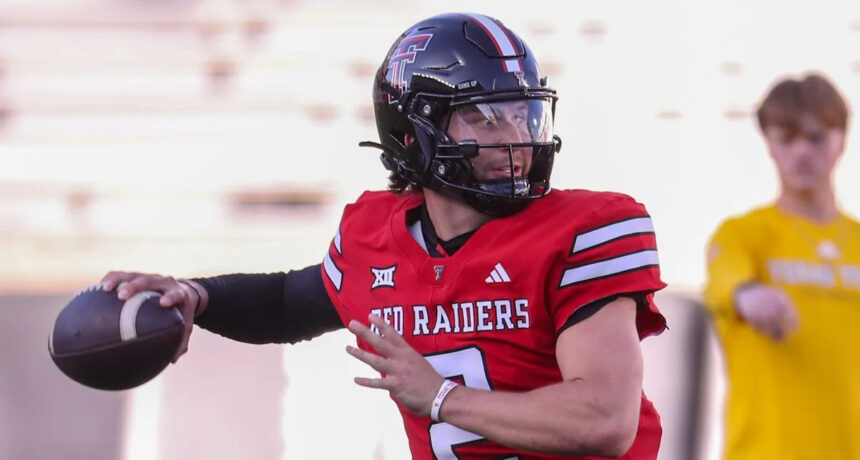
The college football world was jolted awake on Monday, not by a transfer portal shocker or a coaching change, but by a story that cuts far deeper than wins and losses. Texas Tech quarterback Brendan Sorsby, a former Indiana Hoosier who transferred to Lubbock with hopes of leading the Red Raiders, has stepped away from the game to seek residential treatment for a gambling addiction. The revelation, first reported by ESPN’s Pete Thamel, sent shockwaves through the NCAA community and forced the governing body to issue an immediate, carefully worded response. This is not just another suspension. This is a human crisis unfolding in plain sight, and the NCAA’s reaction will set a precedent for how the sport handles the dark underbelly of legalized sports betting.
- The Shocking Revelation: What We Know About Brendan Sorsby’s Bets
- NCAA’s Official Response: A Balancing Act Between Punishment and Compassion
- The Broader Crisis: Why Brendan Sorsby Is a Symptom, Not an Anomaly
- Predictions and What Comes Next for Sorsby and the NCAA
- Strong Conclusion: A Human Story That Demands More Than a Ruling
The Shocking Revelation: What We Know About Brendan Sorsby’s Bets
According to sources cited by Thamel, Sorsby is under NCAA investigation after it was discovered that he placed “thousands of bets” via a gambling app. The specifics are chilling. While redshirting as a true freshman at Indiana in 2022, Sorsby allegedly wagered on Indiana football games. Crucially, the bets were on the Hoosiers to win, and none of them involved games in which Sorsby actually appeared on the field. He played in just a single game that season as a reserve, meaning he was not in a position to influence outcomes directly. However, the NCAA’s rules are absolute: any athlete who bets on their own team—even as a non-participant—violates the organization’s strict gambling policy.
This distinction is critical. Sorsby did not bet against his team, nor did he wager on games he played in. Yet the act of betting on any NCAA-sanctioned sport while being a student-athlete is a direct violation. The sheer volume of the bets—thousands, according to the report—suggests a pattern of compulsive behavior rather than a one-time lapse in judgment. For a player who was expected to compete for the starting job at Texas Tech after a solid spring, this is a devastating blow to his career. But more importantly, it is a wake-up call about the accessibility of gambling apps and the vulnerability of young athletes.
NCAA’s Official Response: A Balancing Act Between Punishment and Compassion
Within hours of Thamel’s report, the NCAA released an official statement. The organization did not mince words regarding the severity of the infraction, but notably, the tone was tempered by an acknowledgment of Sorsby’s decision to seek help. The statement read, in part: “The NCAA is aware of the situation involving Brendan Sorsby. We are in contact with Texas Tech University and are conducting a thorough review. While the integrity of competition is paramount, we also recognize the importance of mental health and the courage it takes to address addiction. The NCAA supports student-athletes who seek treatment, and we will consider all factors as this case proceeds.”
This response represents a delicate tightrope walk. On one hand, the NCAA must enforce its rules to deter future violations. On the other, public sentiment is overwhelmingly sympathetic toward Sorsby for admitting a problem and seeking help. The organization’s history with gambling violations is inconsistent. In 2023, Iowa and Iowa State saw dozens of athletes suspended for similar infractions, with punishments ranging from permanent ineligibility to multi-year bans. The key difference here is the proactive step Sorsby has taken. By checking into a residential treatment program, he has signaled that he recognizes the addiction before the NCAA could hand down a punishment. This could mitigate the severity of his penalty, potentially allowing for a reinstatement after a period of treatment and compliance.
Expert analysis from legal and sports ethics scholars suggests that the NCAA is under immense pressure to modernize its approach. With sports betting now legal in over 30 states, the line between casual wagering and addiction is blurring for young athletes. The NCAA cannot simply ban every player who makes a mistake; it must also provide a pathway to recovery. Sorsby’s case will likely become a template. If the NCAA shows leniency, it risks appearing soft on cheating. If it comes down hard, it will be accused of punishing a victim of a disease. The statement’s emphasis on “mental health” and “courage” hints that the organization is leaning toward a rehabilitative model, at least in this instance.
The Broader Crisis: Why Brendan Sorsby Is a Symptom, Not an Anomaly
This story is not just about one quarterback. It is about the epidemic of gambling addiction sweeping through college athletics. Since the Supreme Court struck down the federal ban on sports betting in 2018, college campuses have become saturated with advertisements for apps like FanDuel, DraftKings, and BetMGM. These platforms target young adults aggressively, offering sign-up bonuses and easy deposit methods. For a 19-year-old with a scholarship stipend and a competitive drive, the temptation is enormous. Sorsby is far from the first athlete to fall into this trap, and he will not be the last.
- Accessibility: Gambling apps are on every smartphone. Athletes can place bets from their dorm rooms, locker rooms, or even practice facilities.
- Peer Pressure: Many teams have internal cultures where betting is normalized. Players share “picks” and discuss odds, blurring the line between harmless fun and illegal activity.
- Lack of Education: Despite NCAA mandates for gambling awareness training, many athletes report that the sessions are superficial and fail to address the psychology of addiction.
- Financial Stress: NIL money has given some athletes disposable income, but without financial literacy, that money can quickly fuel a gambling habit.
The Texas Tech athletic department has declined to comment on Sorsby’s status, but sources indicate that the program is fully supportive of his decision to seek treatment. Head coach Joey McGuire is known for a player-first culture, and it is unlikely that Sorsby will be cut from the team. However, his football future is uncertain. If the NCAA imposes a multi-year suspension, Sorsby may never play another down of college football. If the organization accepts his treatment as a mitigating factor, he could return as early as 2025. The timeline depends on the length of his residential program and the NCAA’s investigation.
Predictions and What Comes Next for Sorsby and the NCAA
Predicting the outcome of this case requires reading the tea leaves of NCAA precedent and public sentiment. Here is my expert forecast:
1. Sorsby will face a suspension, but not a lifetime ban. The NCAA has a history of handing down harsh penalties for gambling, but the context of addiction and self-reporting will likely result in a one- to two-year suspension. This would effectively end his college career unless he receives a waiver, but it keeps the door open for a potential return after treatment.
2. The NCAA will use this case to revise its gambling policies. Expect a formal review of how the organization handles addiction. This could lead to a new “first-time offender” pathway that mandates treatment instead of automatic ineligibility. The statement released on Monday was a preview of this shift.
3. Texas Tech will stand by Sorsby, but his roster spot is not guaranteed. If the suspension is lengthy, the Red Raiders will need to move on. Quarterback is the most competitive position in college football, and a team cannot hold a scholarship for a player who cannot suit up for two years. Sorsby may end up at a smaller program or in the transfer portal again after his recovery.
4. The gambling industry will face increased scrutiny. Lawmakers and university presidents are already calling for stricter regulations on how betting apps market to college students. Sorsby’s story will be cited in congressional hearings as evidence that the current system is broken. Expect to see age verification requirements tightened and a ban on advertising during college sports broadcasts.
Strong Conclusion: A Human Story That Demands More Than a Ruling
Brendan Sorsby is not a villain. He is a young man who got caught in a web of addiction that has ensnared millions of Americans. His decision to check into treatment is an act of bravery that should be celebrated, not condemned. The NCAA now faces a defining moment. Will it punish him into oblivion, or will it use his case to build a more compassionate framework for dealing with gambling addiction? The answer will reverberate far beyond Lubbock, Texas. For every athlete struggling in silence, Sorsby’s transparency is a lifeline. For every coach who fears a similar scandal, it is a reminder that the game is not worth the cost of a player’s well-being.
As the investigation continues, one thing is clear: the NCAA’s response must prioritize health over headlines. The organization has the power to turn this tragedy into a turning point. By supporting Sorsby’s recovery and updating its policies, it can send a message that college football cares about its people first—and the scoreboard second. The ball is now in the NCAA’s court. Let’s hope they make the right play.
Source: Based on news from Yahoo Sports.