Nick Saban as CFB Commissioner? Nebraska’s Matt Rhule Makes Compelling Case for Legendary Coach
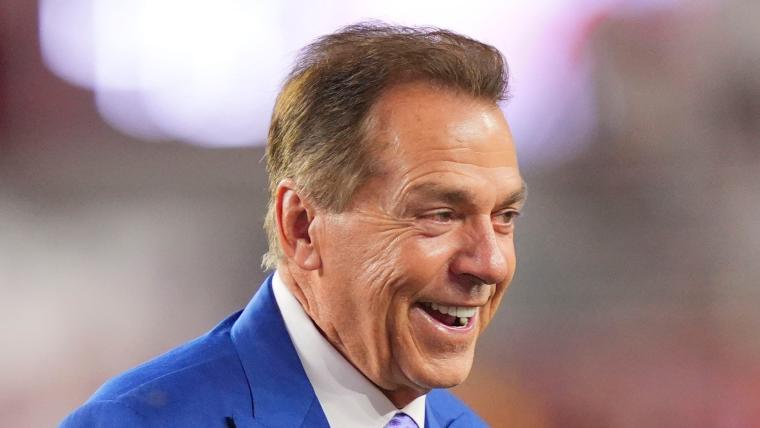
In the chaotic, ever-evolving landscape of modern college football, one question echoes from smoky booster rooms to pristine television studios: Who can possibly steer this ship? As the sport grapples with existential questions surrounding governance, player compensation, and competitive balance, a surprising name has emerged as a unifying solution—not from a boardroom, but from the sidelines of retirement. The idea of Nick Saban, the architect of the Alabama dynasty, assuming a commissioner-like role has simmered as a fan fantasy for years. But now, that fantasy has received a powerful endorsement from a prominent peer, transforming it into a serious point of discussion for the sport’s future.
Rhule’s Podcast Pitch: A Coach’s Vision for a Coach’s Commissioner
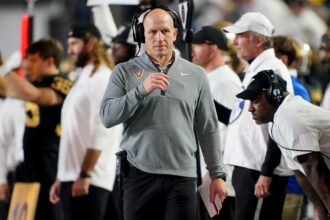
The endorsement came not through a press conference statement, but in the more intimate setting of a podcast. Nebraska Cornhuskers head coach Matt Rhule, a respected program-builder with 19 wins in the Big Ten across his tenures at Nebraska and previously Temple, used his platform, “House Rhules,” to deliver what he called an “incredible sales pitch.” Rhule, who has navigated the collegiate ranks’ complexities at multiple levels, didn’t just suggest Saban; he laid out a precise and compelling argument for why the seven-time national champion is the singular figure capable of bringing order to college football’s chaos.
Rhule’s reasoning cut to the core of the sport’s leadership vacuum. He argued that effective stewardship requires more than bureaucratic experience; it demands a visceral understanding of the game’s modern pressures. “Because he’s been in the trenches, he has experience, he has the vision,” Rhule stated. This “in-the-trenches” credibility is a quality no current conference commissioner or NCAA executive can claim at Saban’s level. He has recruited in the NIL era, managed rosters through the transfer portal, and competed under virtually every set of rules the sport has concocted over the past two decades.
The “Saban Qualities”: Why Coaches See Him as the Ideal Arbiter
Rhule’s commentary highlights three non-negotiable qualities he believes a college football commissioner must possess, all of which align perfectly with the Saban mythology.
- Unassailable Credibility: Saban’s record is unimpeachable. His six titles at Alabama transformed the sport’s competitive standard. This success grants him a level of respect from coaches, administrators, and even players that a career administrator could never instantly command. When Saban speaks on football matters, the sport listens.
- Clarity of Vision: Throughout his career, Saban was famously process-oriented, focusing on systems and structures that lead to desired outcomes. College football currently suffers from a reactive, patchwork approach to problem-solving. Rhule and others envision Saban applying his systematic mind to building a coherent, long-term structure for the sport.
- The Toughness to Govern: Perhaps Rhule’s most pointed point was about fortitude. “You also have to have someone who has the guts and the toughness to make hard decisions, because you’re not going to make everyone happy,” Rhule said. He directly compared the needed strength to NFL Commissioner Roger Goodell, noting Goodell’s willingness to act for the league’s health despite unpopularity.
This final point is crucial. The role would require making monumental decisions on revenue distribution, eligibility, enforcement, and playoff structure—choices that would inevitably create powerful losers. Saban’s entire career was built on making brutally difficult decisions about rosters, staff, and strategy, often under intense public scrutiny. His skin, as they say, is already rhinoceros-tough.
The Practical Hurdles: Could a “Saban Commission” Ever Become Reality?
While the idea is seductive, the path to creating such a position is fraught with obstacles. College football lacks a true central authority like the NFL’s league office. Power is fragmented among the NCAA, individual conferences, university presidents, and now increasingly, collective player groups. Creating a commissioner role with actual authority would require an unprecedented surrender of sovereignty from these entities.
Furthermore, would Nick Saban even want the job? He has embraced a lucrative and lower-stress role as an analyst on ESPN’s “College GameDay,” offering his insight without the burden of execution. The commissioner’s role would be a return to the political fire—a world of endless meetings, legal challenges, and media criticism over topics far removed from Xs and Os. However, those who know Saban cite his profound love for the game and his repeated public concern for its direction. The chance to shape its future for generations might be the one challenge compelling enough to lure him back into the fray.
A potential model could be a voluntary, but powerful, coalition of conferences appointing Saban as an executive chairman for football matters, with agreed-upon authority to craft and implement a unified set of rules. His initial focus could be narrow but impactful: standardizing NIL and transfer regulations, and designing the next evolution of the College Football Playoff.
Looking Ahead: The Lasting Impact of the Conversation
Regardless of whether Nick Saban ever signs an executive contract, Matt Rhule’s public advocacy is significant. It signals a growing desperation among high-level coaches for decisive, knowledgeable leadership. By voicing this idea, Rhule has:
- Elevated the discussion from fan forums to mainstream discourse.
- Put a spotlight on the specific type of leadership—experienced, tough, and visionary—that the coaching fraternity believes is necessary.
- Created a benchmark against which any future governance proposals or appointed leaders will be measured.
The very fact that a sitting, successful Power Four coach is openly pining for a Saban-led authority is a stark indictment of the current leadership structure. It underscores a widespread belief that those making the rules have become dangerously disconnected from the reality of the sport.
Conclusion: A Legend’s Potential Final Chapter
Nick Saban’s first act was building a dynasty at Alabama that defined an era. His second act is as a revered elder statesman and television analyst. The question now posed by Matt Rhule is whether college football can convince him to write a monumental third act. The concept of Commissioner Saban is no longer just a nostalgic wish; it’s a formulated thesis on crisis management. It argues that the only force powerful enough to corral the sport’s warring factions is the man who dominated them all for so long. His unparalleled credibility, proven process, and legendary toughness represent, in the eyes of his peers, the missing ingredients for the sport’s survival and prosperity. The ball, in a sense, is now in the court of the university presidents and conference commissioners. Will they recognize the need for a singular, Saban-esque voice? Or will the sport continue to drift, leaving one of its greatest legends to comment on the chaos from the sidelines, rather than being summoned to fix it?
Source: Based on news from Yahoo Sports.