


Shadows on the Snow: Unpacking the Scandals of the 2026 Milan-Cortina Winter Olympics
The Olympic flame, a symbol of purity and aspiration, casts a long shadow. As the world’s finest winter athletes converged on Milan and Cortina d’Ampezzo for the 2026 Winter Games, the specter of scandal was an uninvited but persistent guest. The lofty ideals espoused by former IOC President Jacques Rogge—respect for the rules, rejection of doping, and the spirit of fair play—were tested in the crucible of competition. While moments of breathtaking athleticism defined the Games, a series of controversies emerged, threatening to tarnish the very concept of the champion Rogge envisioned. From the icy precision of the curling sheet to the high-stakes pressure of the skating arena, allegations of cheating, technological fraud, and ethical breaches painted a complex picture of modern sport.
The Curling Stone Scandal: A “Broomgate” for the Digital Age
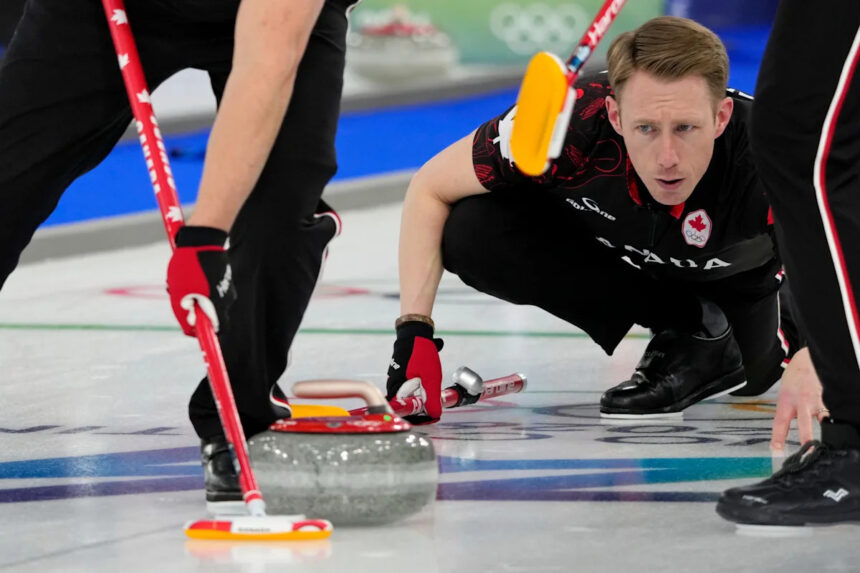
Curling, a sport built on honor and self-officiating, found itself at the center of the Games’ first major controversy. During the round-robin stage, a team from a traditionally strong nation was accused of manipulating equipment in a sophisticated new way. Opposing coaches alleged that the team’s brooms were equipped with micro-vibration devices embedded in the brush head, imperceptible to the naked eye but capable of minutely altering a stone’s trajectory after the release.
“The curl on certain stones defied the ice conditions entirely,” stated one anonymous coach to USA TODAY Sports. “It wasn’t about sweeping technique; it was about an illicit, post-release adjustment.” The accused nation vehemently denied the claims, calling them “sour grapes from outmatched opponents.” The World Curling Federation launched an investigation, which is ongoing. This incident, dubbed “Techgate” by media, raises profound questions about the integrity of athlete-controlled equipment and the need for advanced technological policing in a sport that prides itself on its gentlemanly traditions.
The Confession: A Skater’s Stunning Admission
In a move that sent shockwaves through the Olympic Village, a veteran figure skater from a European nation, after a disappointing finish in the individual event, held an impromptu press conference. With visible emotion, the athlete confessed to a form of systematic score manipulation in prior competitions, though not at the Olympic Games themselves. The skater detailed a coordinated effort involving their national federation to lobby judges, exploit subjective scoring components in the old system, and apply psychological pressure on officials.
“I came here not just to compete, but to clear my conscience,” the skater said. “The champion Jacques Rogge described is not who I was. I competed in a gray area, a corrupt system, and I am complicit.” This unprecedented confession, while not directly implicating 2026 results, has ignited a firestorm. It has:
- Reopened old wounds from past competitions where this skater medaled.
- Led to calls for a sweeping audit of past judged events by the International Skating Union.
- Forced a painful conversation about the psychological burden of institutionalized cheating, even if it falls short of doping.
The athlete’s federation has suspended them pending an investigation, but the damage to the sport’s credibility is profound.
The “Injection” Inquiry: Ambiguity in the Alpine Village
Perhaps the most nebulous yet troubling report came from the Alpine skiing circuit. An anonymous tip from a medical official within the Olympic Village suggested that several athletes from a particular nation were receiving frequent, unexplained injections at their team’s private medical suite. The substances were not identified, and the tipster emphasized there was no direct evidence of banned substances.
However, the timing and secrecy raised red flags. Were these legal vitamin cocktails, pain-management treatments, or something more sinister? The International Testing Agency (ITA) conducted targeted, out-of-competition tests on the athletes in question. All results have returned negative for substances on the World Anti-Doping Agency (WADA) prohibited list. Yet, the cloud of suspicion remains. Legal performance enhancement—pushing the biological passport to its absolute limit with perfectly legal supplements and treatments—exists in a murky ethical space. This incident highlights the ongoing cat-and-mouse game between doping control and cutting-edge, borderline-legal athletic preparation.
Analysis: The Erosion of Trust in the Olympic Ideal
These scandals, distinct in nature, are threads of the same fabric: a fraying trust in the Olympic framework. The curling allegation represents technological fraud, a 21st-century challenge where the line between innovative equipment and cheating is razor-thin. The skater’s confession points to the deep-seated, systemic corruption that can fester in subjectively judged sports, eroding faith in results long after the medals are awarded. The injection inquiry underscores the perpetual anxiety around biochemical advancement, where the absence of a positive test does not always equate to a clean conscience.
Expert sports psychologists point to the immense pressure on athletes, now amplified by social media and nationalistic expectations, as a key driver. “When victory is tied to lifetime financial security and national hero status, the incentive to find an edge—any edge—becomes overwhelming,” notes Dr. Elisa Conti, a Milan-based sports ethicist. “The Olympic spirit Rogge spoke of is in direct conflict with a win-at-all-costs professional sports culture.”
Predictions and the Path Forward
The fallout from Milan-Cortina will likely reshape Olympic governance. We predict:
- Enhanced tech surveillance: Expect mandatory equipment certification for all sports, with real-time monitoring for electronic tampering, especially in sliding and precision sports.
- Judging transparency overhaul: The skating confession will accelerate the move towards fully anonymized judging panels and the public release of detailed scoring transcripts for every judge.
- A focus on “legal doping”: WADA and the ITA will expand their focus beyond the prohibited list to investigate and potentially regulate the use of certain legal substances and treatments in the Olympic Village.
The true legacy of the 2026 Games may not be a single athletic performance, but a long-overdue reckoning. The Olympic movement must decide if it is a celebration of human potential played out fairly, or merely a high-stakes entertainment product where the shadows are part of the show.
Conclusion: The Champion’s True Test
As the flame in Milan was extinguished, the image of Japanese skater Yuma Kagiyama’s stunning, clean short program—a performance of pure athleticism that rightfully led the event—served as a poignant counterpoint. In a landscape muddied by controversy, his triumph was a reminder of the Olympic ideal in its purest form. The scandals of 2026 have laid bare an uncomfortable truth: the battle for the soul of sport is no longer just against doping, but against a multifaceted assault on fair play itself. The champion of the future, as Rogge envisioned, will be defined not only by their ability to win, but by their competition in an arena where the rules are not just enforced, but universally respected. The work to build that arena begins now.
Source: Based on news from Yahoo Sports.


