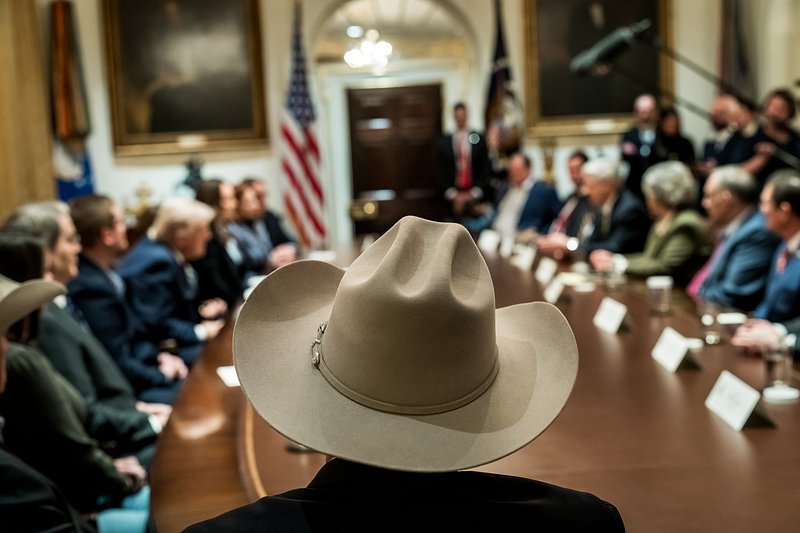
Sources: Trump to Host College Sports Leaders in Pivotal March 6 Roundtable
In a move that signals a potential seismic shift in the landscape of amateur athletics, former President Donald Trump is set to convene a high-stakes meeting with the power brokers of college sports. According to sources familiar with the planning, a roundtable discussion is scheduled for March 6, bringing together conference commissioners, prominent sports celebrities, and other dignitaries to deliberate on the future of college athletics. This unprecedented gathering, set against the backdrop of a presidential election year, places the multibillion-dollar enterprise of college sports directly at the intersection of politics, commerce, and cultural influence.
The meeting represents the most significant political foray into college sports governance in recent memory. With the NCAA’s authority eroding under the weight of legal challenges, state NIL laws, and athlete empowerment, this summit suggests a search for solutions—or at least, influential endorsements—outside the traditional corridors of Indianapolis. The inclusion of both administrative leaders and celebrity figures hints at an agenda that spans hard policy and potent public relations.
A Confluence of Power: Who’s in the Room and Why It Matters
The guest list, as reported by sources, is as revealing as the meeting itself. The expected presence of conference commissioners—the de facto CEOs of college sports’ most powerful leagues—indicates the discussion will grapple with core structural issues. These are the individuals navigating the realities of television contracts, conference realignment, and athlete compensation daily.
Their journey to Mar-a-Lago underscores a profound desperation for clarity and stability. The addition of sports celebrities, likely both former athletes and high-profile commentators, serves a dual purpose: it lends star power to the proceedings and provides a voice (though arguably not a representative one) connected to the on-field product. This blend of boardroom brass and cultural cachet creates a unique forum where financial data and public sentiment will collide.
Key topics expected on the agenda include:
- Name, Image, and Likeness (NIL) Regulation: The call for a federal NIL standard to preempt a patchwork of state laws has been a constant refrain from commissioners and university presidents. Trump’s platform offers a megaphone.
- Athlete Employment Status: With ongoing lawsuits challenging the amateur model, the existential threat of athletes being deemed employees looms large. The group may seek political support for maintaining a non-employee framework.
- Antitrust Protections: The NCAA’s hope for a limited antitrust exemption from Congress to govern its rules could find a sympathetic audience.
- The Preservation of “College Sports as We Know It”: This is the emotional core of the meeting—a defense of a traditional model that many leaders claim is under threat, often focusing on the survival of non-revenue sports.
Political Crossroads: College Sports in the Election Year Arena
Scheduling this roundtable in March, at the height of the primary season, is no accident. It firmly plants the flag of college athletics reform as a campaign issue. For Trump, the meeting aligns with a broader narrative of engaging with iconic American institutions and positioning himself as a dealmaker capable of solving complex national debates—even on the gridiron.
It also creates a powerful photo opportunity and a claim to advocacy among a passionate, cross-demographic constituency of college sports fans. For the commissioners and leaders attending, the gamble is one of alignment. They are accessing potential high-level influence but at the cost of politicizing their endeavors. The risk is that any proposed solutions become entangled in partisan politics, dooming the possibility of bipartisan legislative action, which has already proven elusive.
This meeting is a stark departure from decades of NCAA lobbying efforts, which typically focused on quieter engagement with congressional committees. The Mar-a-Lago roundtable is a spectacle, designed to generate headlines and apply a different kind of pressure. It acknowledges that the future of college sports may be decided not just in courtrooms or legislative chambers, but in the court of public opinion, shaped by media-savvy figures.
Expert Analysis: Navigating Uncharted Territory
“This is an audacious end-run around the traditional process,” says Dr. Amanda Greene, a sports sociologist and author. “The NCAA and power conferences have failed to get a bill through Congress for years. By bringing this directly to a candidate with a massive platform, they are attempting to create a mandate. However, they must be cautious. The details of athlete compensation and rights are complex; simplifying them for political points could lead to poorly crafted policy.”
Legal analyst Marcus Chen notes the strategic positioning. “The commissioners are in a bind. They need help, and they’re going to whoever they believe can deliver it. The discussion on athlete employment status will be most critical. Any hint of political support for preserving the amateur model could influence the narrative around ongoing litigation, even if it doesn’t change the law itself.”
The presence of celebrities adds an unpredictable variable. “They are there as influencers, not policy wonks,” Greene adds. “Their role will be to humanize the leaders’ concerns, perhaps framing the issue as ‘saving college sports’ for fans and communities. Whether they will advocate for the broader interests of all athletes, including revenue-sport players, remains to be seen.”
Predictions and Potential Outcomes
The March 6 meeting is more likely to produce momentum than immediate legislation. Several outcomes are plausible:
- A Trump Policy Pledge: The most direct result would be the former president formalizing a college sports platform, promising to push for a federal NIL bill or antitrust protections if elected.
- Increased Public Scrutiny: The high-profile nature of the meeting will force a national conversation, potentially galvanizing other political figures to stake out positions.
- Backlash from Athlete Advocates: The imagery of powerful leaders meeting with a political figure to discuss athletes’ futures without athlete representation will likely draw sharp criticism and amplify calls for collective bargaining.
- Further Fragmentation: If a clear political alignment emerges, it could deepen divisions within the college sports world itself, with some schools or conferences wary of the politicization.
Ultimately, the roundtable acknowledges a new reality: the future of college athletics is a political issue. It is a recognition that the battles fought in the Supreme Court (NCAA v. Alston) and the National Labor Relations Board (Dartmouth basketball case) require a political strategy to manage.
Conclusion: A Pivotal Moment in the Game’s History
The March 6 meeting at Mar-a-Lago is far more than a photo op; it is a symptom of a system in crisis and a bold attempt to steer its trajectory. By inviting the titans of college sports into his orbit, Donald Trump is inserting himself into one of America’s most beloved yet contentious institutions. For the commissioners and leaders, the gamble is that political capital can achieve what years of lobbying and legal defense have not: a stable, controllable framework for the future.
This summit will not settle the debates over NIL, employment, or fairness. But it marks a definitive turning point. It signals that the fate of college athletics—from Saturday afternoon pageantry to the billion-dollar media deals—is now a subject for the political stage. As the commissioners board their flights to Florida, they carry with them the hopes and fears of a traditional model clinging to survival. The outcome of this political play may determine whether college sports as we know it gets a last-minute reprieve or is finally forced to accept a revolutionary new game plan.
Source: Based on news from ESPN.
Image: CC licensed via www.rawpixel.com