Spurs’ Tudor Debacle: A 44-Day Warning Shot the Hierarchy Cannot Ignore
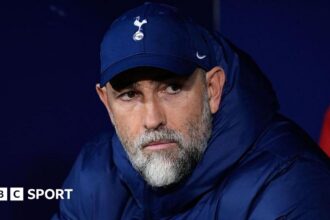
The dust has settled on one of the most bewildering chapters in Tottenham Hotspur’s modern history. The appointment, and subsequent departure, of Igor Tudor as interim head coach lasted a mere 44 days and seven games—a blink of an eye in footballing terms, but an eternity in the court of public opinion and sporting logic. While the club’s hierarchy has moved swiftly to correct this glaring error, the stark reality is this: Tottenham Hotspur have exhausted their margin for error. The next major decision, particularly the looming permanent managerial appointment, carries existential stakes for the club’s Premier League status and future trajectory.
The Anatomy of a 44-Day Failure
To understand the gravity of the present moment, one must dissect the sheer improbability of the Tudor episode. This was not a planned succession or a calculated gamble; it was an outlandish pivot that stunned players, fans, and pundits alike. Igor Tudor, a coach with a specific, intense, and often combustible managerial style forged in Serie A and Ligue 1, was parachuted into a fragile Spurs dressing room still reeling from prior instability.
The results were as predictable as they were dismal. Reports of immediate player friction, confusion over tactical demands, and a disconnect with the club’s culture surfaced almost instantly. Seven games later, with the team’s morale lower and its league position more precarious, the experiment was over. The cost, however, extends far beyond points dropped. The episode exposed a profound failure in due diligence and a worrying lack of a coherent footballing vision at the executive level.
Key Failures of the Tudor Appointment:
- Cultural Misfit: Tudor’s abrasive, high-intensity man-management clashed violently with the needs of a squad requiring careful handling.
- Tactical Whiplash: Implementing a radically new and demanding system mid-season with no pre-season is a recipe for disaster.
- Leadership Vacuum: The move suggested panic and a lack of any strategic planning for managerial succession.
- Reputational Damage: The farce made Spurs a laughingstock and a cautionary tale in boardrooms across Europe.
The Inescapable Spotlight on Venkatesham and Lange
In the aftermath, the accountability lies squarely with chief executive Vinai Venkatesham and sporting director Johan Lange. This was their call, their process, and their spectacular miscalculation. The argument that “correcting a mistake quickly” is a virtue holds little water here. As one senior figure within the game noted, this was a mistake of such fundamental proportions it should never have escaped the boardroom, let alone been enacted.
Venkatesham, as the club’s operational leader, must bear responsibility for the overall health and strategic direction of the football project. Lange, as the sporting director, is the architect of the playing philosophy and the crucial link between the boardroom and the training pitch. Their collaboration produced the Tudor decision, shattering confidence in their judgement. They have now bought themselves a sliver of time with his removal, but the grace period is over. The fanbase, the players, and undoubtedly the club’s owners, ENIC, are now watching their next move with intense, unforgiving scrutiny.
This is more than just about hiring a manager; it’s about restoring credibility. Can Venkatesham and Lange demonstrate they have learned the painful lessons of the Tudor tenure? Can they articulate and execute a clear, sustainable plan that aligns a new head coach with the squad’s profile and the club’s aspirations? Their careers at Tottenham may depend on it.
The Stakes: A Scars-and-All Legacy on the Line
Hyperbole is common in football, but the warning that the next mistake could “conceivably end with Spurs in the Championship” is not without foundation. The Premier League has never been more financially polarized or competitively brutal. A prolonged period of poor decisions—a mismanaged summer transfer window under another unsuitable coach, a continued erosion of squad value and morale—can trigger a downward spiral that becomes incredibly difficult to arrest.
Consider the domino effect: A bad appointment leads to poor results. Poor results lead to top players agitating for moves. The loss of key assets leads to weaker performances and diminished commercial appeal. Suddenly, the vast revenue of the Tottenham Hotspur Stadium is offset by the catastrophic loss of Premier League television money. The financial and reputational scar of relegation for a club of Spurs’ scale and infrastructure would be a generational catastrophe, a permanent stain on the records of all involved.
This is the terrifying precipice that the Tudor error has highlighted. It was a warning shot across the bows. The next misstep isn’t a warning; it’s the impact.
The Path Forward: Non-Negotiables for the Next Era
So, how do Venkatesham and Lange navigate this? The solution requires more than just picking a big-name manager. It demands a return to first principles and a recruitment process defined by rigor, not reactivity.
The non-negotiable criteria for Tottenham’s next chapter must include:
- Philosophical Alignment: The coach must fit a clear, long-term footballing identity the club commits to, whether possession-based, counter-attacking, or high-press. No more square pegs.
- Proven Man-Management: The squad needs a communicator and a builder, not a disciplinarian for discipline’s sake. The ability to improve and unify the current group is paramount.
- Project Buy-In: The candidate must understand this is a rebuild, not a ready-made title challenge. Patience and project-building are key.
- Collaborative Spirit: The new head coach must work seamlessly with Lange’s recruitment team, not against it. The days of manager-led fiefdoms are over.
The search cannot be a desperate scramble. It must be a forensic exercise to find the right cultural and tactical architect. Names are less important than fit. The allure of a “statement” hire must be weighed against the practicalities of who can actually steward this squad forward.
Conclusion: No More Room for Error
Tottenham Hotspur have, belatedly, addressed their Tudor error. They have ripped off the band-aid applied in a moment of panic. But in doing so, they have exposed the wound beneath: a leadership group whose judgement is now under a microscope of its own making. The 44-day tenure of Igor Tudor will stand as a monument to poor process, a case study in how not to run a football club.
The pressure on Vinai Venkatesham and Johan Lange has been amplified exponentially. They have been handed a rare second chance to define their legacy at the club. There will not be a third. The next appointment is not merely about finishing seventh or eighth; it is about securing the club’s top-flight status, protecting its financial future, and beginning the painstaking work of rebuilding trust and a coherent identity.
The warning has been served. The stakes could not be higher. For Tottenham’s hierarchy, the time for sober, intelligent, and visionary decision-making is now. They cannot afford another error. The very soul of the club, and perhaps its Premier League place, depends on it.
Source: Based on news from BBC Sport.