Steelers’ DK Metcalf Suspended Two Games for Fan Altercation: A League at a Crossroads
The NFL’s delicate, high-stakes dance between player, passion, and fan interaction has once again been thrust into the spotlight under the ugliest of circumstances. The league announced Tuesday that Pittsburgh Steelers wide receiver DK Metcalf has been suspended for two games without pay for physically confronting a Detroit Lions fan during Sunday’s game at Ford Field. This incident, captured on national television, goes beyond a simple sideline skirmish; it represents a critical test of league policy, player safety, and the increasingly blurred lines of fan decorum in modern sports.
- The Incident: From Verbal Sparring to Physical Escalation
- Expert Analysis: The Unforgiving Precedent and a Player’s Breaking Point
- Ripple Effects: Steelers’ Playoff Push and a Wider League Conversation
- Predictions and Path Forward: Accountability and Evolution
- Conclusion: A Line in the Turf That Must Be Respected by All
The Incident: From Verbal Sparring to Physical Escalation
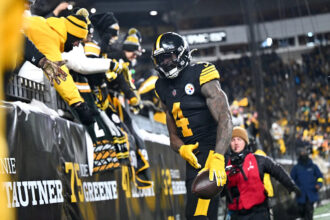
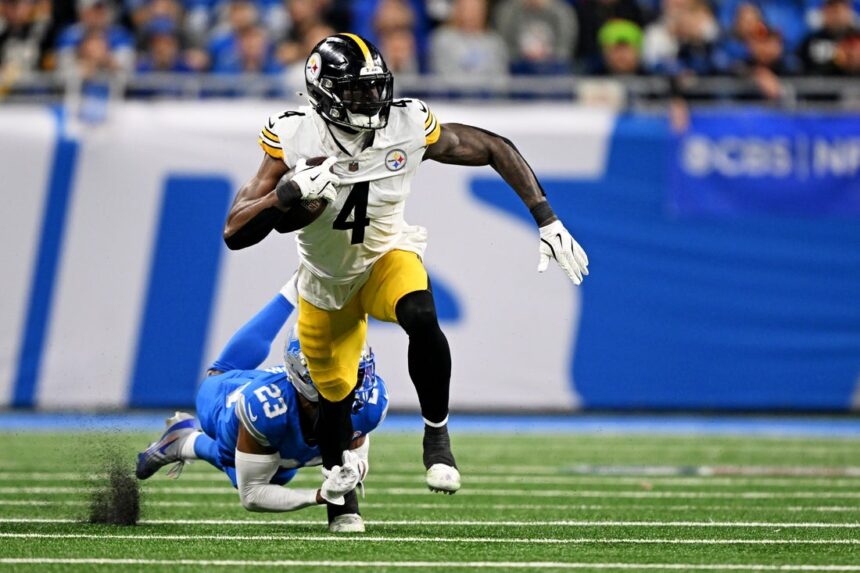
The altercation occurred in the second quarter of the Steelers’ 29-24 victory. Metcalf, a physically imposing two-time Pro Bowl receiver, was near the sideline when a Lions fan, notable for a vibrant blue wig and leaning precariously over the front-row railing, began engaging him. Reports and video indicate a verbal exchange preceded the physical contact. Metcalf, who according to ESPN had reported this same fan to security during a game last season, then grabbed the fan by his shirt, pulling him closer before throwing a right hand in the direction of the fan’s face. The swipe did not appear to land with significant force, but the intent and the action were unmistakable.
The league’s response was swift and unequivocal. In a statement, the NFL cited “conduct detrimental to the league,” specifically invoking the section of the game operations manual that is sacrosanct: players are forbidden from entering the stands or confronting fans, with any unnecessary physical contact warranting accountability. Metcalf is expected to appeal the suspension, but the NFL has historically held a firm line on player-fan physical contact, making a reduction unlikely.
Expert Analysis: The Unforgiving Precedent and a Player’s Breaking Point
To understand the severity of the suspension, one must look at history. The NFL’s policy was forged in the fire of past disasters, most notably the 1995 “Bottle Gate” incident in Cleveland and the 2001 brawl in Chicago where then-Bears defensive lineman Terry “Tank” Johnson fought with a fan. The league’s zero-tolerance stance is not about the severity of a punch, but about maintaining an absolute barrier—a literal line of scrimmage—between the field of play and the stands.
“The NFL’s position is non-negotiable,” says Dr. Elena Rodriguez, a sports psychologist specializing in athlete-fan dynamics. “They are legislating against chaos. One player crossing that boundary, regardless of provocation, opens the door for others. It’s a precedent they cannot afford to bend, even in cases of extreme fan misconduct.”
This incident, however, adds a complex layer: reported prior history. Metcalf’s previous complaint about the same fan suggests a pattern of targeted harassment that stadium security failed to permanently address. This context is critical to the narrative. While it does not excuse Metcalf’s physical response, it frames it not as a random outburst, but as the boiling over of a player who felt the system designed to protect him had failed.
- The League’s Dilemma: Upholding an ironclad rule while acknowledging potential systemic failure in fan management.
- The Player’s Perspective: Operating in an environment where vitriolic, personal taunts are constant, and the line between heckling and harassment is often invisible.
- The Fan’s Role: Possessing a ticket grants access, not license. The culture of “I paid my money, I can say what I want” is being stress-tested.
Ripple Effects: Steelers’ Playoff Push and a Wider League Conversation
The immediate football consequences are significant for the 6-3 Steelers, who are in the thick of the AFC playoff race. Losing a weapon of Metcalf’s caliber for games against the Los Angeles Chargers and Cincinnati Bengals stings. His unique blend of size and speed forces defensive adjustments that benefit the entire offense. His absence will put more pressure on quarterback Russell Wilson and receivers George Pickens and Pat Freiermuth to produce.
But the larger implications extend far beyond Pittsburgh’s win-loss record. This suspension will reignite several pressing league conversations:
- Stadium Security Protocols: Are teams doing enough to identify and eject persistently abusive fans, especially those previously reported by players?
- The Efficacy of Appeal Processes: Can the league’s appeal system adequately weigh mitigating circumstances like prior harassment, or is the rule truly absolute?
- Player Mental Load: How much verbal abuse is considered “part of the game,” and at what point does the league have a duty to protect its players’ mental well-being from targeted attacks?
This incident is a direct descendant of other high-profile fan-player conflicts across sports, from Ron Artest in the NBA to numerous MLB bullpen altercations. Each event forces a re-examination of the environment we’re creating in our sporting cathedrals.
Predictions and Path Forward: Accountability and Evolution
Looking ahead, we can make several educated predictions. First, Metcalf’s appeal is likely to fail. The NFL’s need for consistency and deterrence will outweigh the extenuating circumstances. He will serve the two-game suspension. Second, the fan involved will almost certainly face consequences from the Detroit Lions, including a potential lifetime ban from Ford Field, as teams have become more aggressive in policing fan behavior in the social media age.
Most importantly, this event should serve as a catalyst. We predict the NFL will issue a renewed memo to all 32 teams, emphasizing not just player conduct, but also mandating a review of fan interaction protocols. The league may explore more robust systems for players to anonymously and efficiently report abusive fans directly to a central command, bypassing potentially lax local security.
The true evolution, however, must be cultural. Teams and leagues must more clearly define and publicly communicate codes of conduct for fans, with real and swift penalties. The narrative must shift from “players should ignore it” to “fans who cross this line will be removed.” Players, as the league’s most valuable assets, deserve a workplace free from physical threats and dehumanizing personal attacks.
Conclusion: A Line in the Turf That Must Be Respected by All
The suspension of DK Metcalf is a stark reminder of a fundamental contract in professional sports. The line separating the field from the stands is inviolable. Metcalf, by laying hands on a fan, violated that contract and has been held accountable with a stiff, precedent-driven penalty. His reported prior history with the fan highlights a disturbing failure in the ecosystem, but not one that justifies his response.
Ultimately, this moment is bigger than one player’s lost paycheck or two games missed. It is a referendum on the game-day experience itself. For the NFL to maintain its integrity and safety, the responsibility is dual. Players must maintain professional composure under the most intense provocation, trusting—and demanding—that the system works. Conversely, fans and teams must uphold their end of the bargain: creating an environment of passionate, but not poisonous, support. Until both sides respect that line in the turf, these explosive, detrimental incidents will continue to be a part of the game’s story.
Source: Based on news from Deadspin.