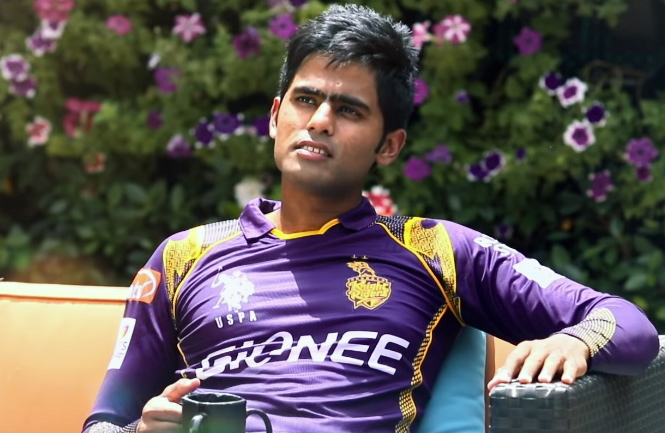
Suryakumar Yadav’s Captaincy Future in Doubt: T20 World Cup 2026 Likely His Last as India’s Skipper
The winds of change are beginning to swirl around the Indian T20I leadership. As the Board of Control for Cricket in India (BCCI) prepares to announce the squad for the T20 World Cup 2026 this Saturday, the spotlight isn’t just on the 15 names selected, but intensely on the man expected to lead them. According to emerging reports, Suryakumar Yadav, India’s dynamic but currently out-of-form batter, is unlikely to continue as the national T20I captain beyond the upcoming global tournament. The biennial event, starting February 7 across India and Sri Lanka, is being viewed internally as a potential farewell to his captaincy tenure, marking a pivotal transition in India’s white-ball future.
The Captaincy Conundrum: Form vs. Faith
The core of the issue lies in a stark and prolonged dip in performance. Suryakumar Yadav, who ascended to the captaincy amidst much fanfare, has endured a perplexing barren run. The numbers paint a concerning picture: a staggering 14 months and across 24 international games without a significant score. For a player whose career was built on the explosive, match-defining innings that earned him the world’s No. 1 T20I batter ranking, this drought is more than a blip; it’s a crisis.
Insiders suggest his retention as captain for the World Cup squad is a testament to the selectors’ desire for stability and their memory of his past genius, rather than a vote of confidence in his current output. The selection committee, led by Ajit Agarkar, faces a delicate balancing act. On one hand, there is the indifferent form of both skipper Yadav and his deputy, Shubman Gill. On the other, the looming shadow of a major tournament makes “shocking changes” unpalatable. The prevailing strategy appears to be one of continuity for now, with the World Cup itself serving as the ultimate litmus test.
- Key Concern: 14-month international century drought across formats.
- Selection Philosophy: Stability prioritized over radical changes pre-World Cup.
- The Gill Factor: Vice-captain also under scrutiny, complicating succession plans.
The BCCI’s Contingency Plan and the Age Factor
The BCCI has wisely built flexibility into its selection process. The board retains the liberty to replace any player from the named 15-member squad right up until the tournament opener on February 7. This clause is not merely procedural; it’s a strategic safety net. A precedent was set earlier this year during the Champions Trophy, where Varun Chakravarthy replaced Yashasvi Jaiswal after conditions in Dubai demanded a different tactical approach.
This mechanism allows the think tank to monitor form and fitness in the intervening period, meaning Suryakumar’s place, not just as captain but as a player, could theoretically be reassessed. However, the more significant, unspoken factor is age. At 35, Suryakumar Yadav is at a stage where long-term planning naturally shifts away from him. The next T20 World Cup cycle will point towards 2028, and the BCCI’s historical pattern suggests a preference for grooming younger leaders for such marquee events.
Expert Analysis: “The writing seems to be on the wall,” notes a veteran cricket analyst. “The BCCI is offering a final, grand stage for Suryakumar to rediscover his mojo and sign off from leadership on a high. If he fires and India wins, it becomes a glorious farewell. If not, the transition is already telegraphed, minimizing upheaval. It’s a pragmatic, if somewhat cold, approach to team building.”
Looking Beyond 2026: India’s T20 Leadership Crossroads
The impending shift forces a critical question: who leads India’s T20I side into the future? The answer is shrouded in uncertainty, primarily because the traditional heir-apparent, Shubman Gill, has himself been inconsistent. This opens the door for a broader leadership debate post the 2026 World Cup.
Several scenarios could unfold. The board might look towards established Test captain Rohit Sharma for short-term guidance, though that seems a retrograde step. Alternatively, they could pivot to a completely new young leader, potentially looking at the IPL for inspiration. Names like Rishabh Pant (subject to fitness and form), Hardik Pandya (if he reclaims all-rounder status), or even a wildcard like Ruturaj Gaikwad could enter the conversation. The 2027 edition of the IPL will now be scrutinized under a new lens, as a de facto audition for the national captaincy.
- Succession Candidates: Rishabh Pant, Hardik Pandya, Ruturaj Gaikwad.
- IPL’s Role: The premier T20 league will become a crucial leadership proving ground.
- Strategic Reset: The move signals a possible clean break and a new chapter for the T20I team.
Final Innings: A Legacy at Stake
For Suryakumar Yadav, the upcoming T20 World Cup on home and neighboring soil represents the ultimate challenge and opportunity. It is a chance to silence critics, rewrite a fading narrative, and cement his legacy not just as a breathtaking innovator with the bat, but as a captain who delivered when it mattered most. The pressure will be immense, magnified by the knowledge that this could be his last stand as leader.
The T20 World Cup 2026 is thus set against a compelling backdrop of transition. While the squad announcement on December 20 will provide immediate answers, the larger story will unfold on the field in February. Suryakumar Yadav’s journey from the pinnacle of batting to the precipice of captaincy exit is a stark reminder of the relentless demands of international sport. His response to this adversity will define not just India’s campaign, but the final chapter of his own remarkable, if currently stalled, cricketing story. The nation watches, waiting to see if its ‘SKY’ can clear up one last, glorious time.
Source: Based on news from India Today Sport.
Image: CC licensed via arz.wikipedia.org