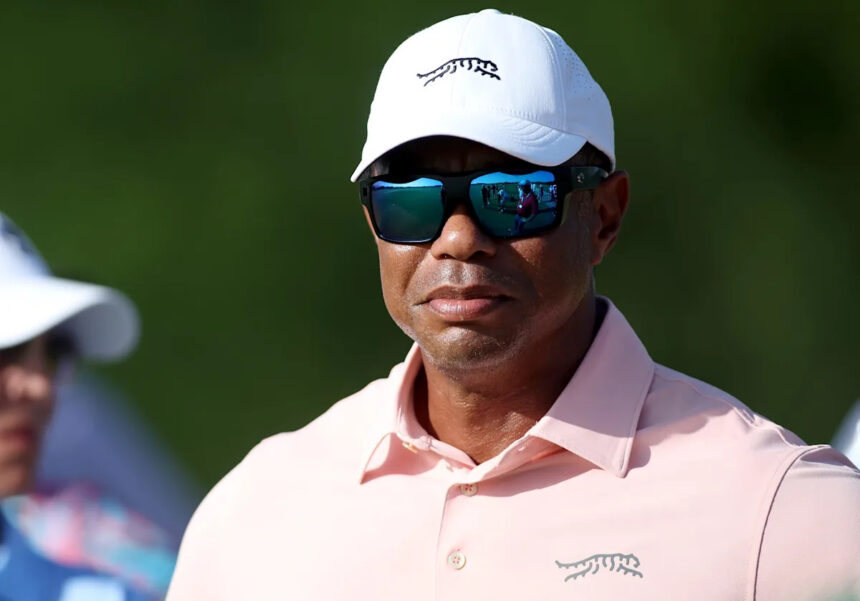
Tiger Woods Seeks Treatment After DUI Charge: A Golfer’s Crossroads
The world of sports was rocked this week not by a record-breaking score, but by a sobering personal announcement. Tiger Woods, the legendary golfer whose name is synonymous with both unparalleled triumph and profound personal struggle, declared he is stepping away from the game to seek professional help. This decision comes in the wake of his arrest and subsequent charge for driving under the influence following a single-car rollover accident in Florida. The incident, marked by the discovery of prescription medication and a statement about a distracted phone, has thrust the 15-time major champion back into a painfully familiar spotlight—one focused on health, recovery, and an uncertain future.
The Incident and Immediate Fallout: A Distracted Drive
According to police reports, the early morning crash occurred when Woods’ vehicle veered off the road, struck a curb, and rolled over before coming to rest in a residential area. The golfer, who was alone in the car, sustained minor injuries. In his statement to officers, Woods indicated he had been looking down at his phone prior to losing control. This detail introduces a critical element of modern distracted driving into the narrative. However, the legal situation deepened when authorities allegedly found two hydrocodone pills, a powerful prescription painkiller, in his pocket at the scene.
The charges were formally filed as driving under the influence with property damage. It is crucial to note the legal nuance: Woods was not charged with alcohol impairment, but rather with impairment by a chemical or controlled substance. This distinction is central to understanding the nature of his current health battle. In the days following, through his attorney, Woods entered a plea of not guilty and formally demanded a jury trial, setting the stage for a legal process that will unfold parallel to his personal recovery journey.
Woods’ Statement: A Commitment to Health and Privacy
On Tuesday, Woods broke his silence not in a press conference, but through a carefully crafted public statement. Its tone was one of contrition, resolve, and a request for space. He announced he would “step away from golf and public life in general to seek treatment and focus on my health.” This phrasing is significant; it is not merely a break from competition, but a withdrawal from the public eye, suggesting a comprehensive approach to wellness.
The statement contained several key messages that experts in both sports journalism and addiction recovery find telling:
- “Seek treatment and focus on my health”: This explicit language moves the conversation beyond a simple “break.” It confirms a proactive, structured plan to address underlying issues, likely related to pain management and medication.
- “Return in a healthier, stronger, and more focused place”: This indicates a long-term view of recovery, acknowledging that the path back involves holistic improvement, not just legal resolution or physical healing from the crash.
- “Ask for privacy for my family”: A direct appeal to the media and public, harkening back to the intense scrutiny during his personal crises in 2009-2010. This sets a boundary he hopes will be respected.
This is not Woods’ first foray into treatment. Following the infamous 2009 scandal and a 2017 DUI arrest where he was found asleep at the wheel with multiple drugs in his system, he also entered rehab programs. The cyclical nature of these events points to the chronic and relapsing challenge of managing pain, addiction, and the immense pressures of his legacy.
Expert Analysis: The Intersection of Pain, Pressure, and Legacy
Sports psychologists and medical professionals see this moment as a critical inflection point. “Tiger Woods exists at the brutal intersection of catastrophic physical injury and global fame,” notes Dr. Elena Martinez, a sports performance psychologist. “The multiple back surgeries, knee procedures, and the daily grind of pain create a dependency risk that is extraordinarily high for athletes. When you couple that with the psychological pressure to return to peak form and satisfy the expectations of history, the coping mechanisms can become maladaptive.”
The hydrocodone pills found at the scene spotlight a national crisis intersecting with a personal one. Hydrocodone is an opioid, routinely prescribed for severe pain—the kind Woods has lived with for years. The danger, experts warn, is in the transition from prescribed use to dependency, especially when combined with the potential for distraction or impairment.
From a golf perspective, analysts are divided. Some see this as a potentially career-ending sequence, given his age (47) and the physical and mental mountain he must now climb. Others, remembering his “Hello, world” comeback to win the 2019 Masters, caution against ever counting Tiger out. However, all agree that this hiatus is fundamentally different from his past injury layoffs. This is a battle not for swing speed, but for foundational wellness.
Predictions and Implications: What Comes Next for Tiger?
The road ahead for Tiger Woods is bifurcated into parallel paths: one legal, one personal. The legal process, with a jury trial demanded, could be protracted. Outcomes could range from dismissal and diversion programs to penalties including license suspension, fines, and mandatory treatment. His legal team will likely build a defense around the prescribed nature of the medication and the role of phone distraction in the crash itself.
On the personal and professional front, predictions are more nuanced:
- Extended Absence: This treatment break will likely be measured in many months, not weeks. A return for the 2024 major season appears increasingly improbable.
- Role Redefinition: We may see Woods transition further into his off-course roles: business mogul, course designer, and symbolic ambassador for the PGA Tour. His competitive fire is legendary, but his body and personal health may dictate a new reality.
- Legacy Impact: While his 82 PGA Tour wins and 15 majors are secure, this chapter adds a tragic, human layer to his story. It reinforces the narrative of a flawed genius perpetually battling demons, both physical and psychological. His ultimate legacy may hinge less on another trophy and more on how he navigates this very public recovery.
The golf world, from fans to fellow pros, has largely responded with messages of support, emphasizing health over competition. This collective breath reflects a maturation in how sports culture views its icons—recognizing their humanity beyond their highlight reels.
Conclusion: A Necessary Retreat for an Unfinished Story
Tiger Woods’ decision to seek treatment is a stark reminder that even the most formidable competitors are vulnerable. The image of the golfer who once seemed invincible on the course, now facing a DUI charge and committing to a treatment program, is a powerful study in contrast and humanity. This incident transcends sports gossip; it is a case study in the long-term impact of athletic punishment, the perils of pain management, and the relentless weight of legacy.
His statement, prioritizing health and family privacy, is the most responsible step he could take at this juncture. While the legal system will run its course and the sports debates about his playing future will rage, the core truth remains: Tiger Woods is a man in need of healing. Whether this retreat marks the beginning of a sustainable new chapter or another painful cycle remains to be seen. But for now, the most important fairway he must navigate is the one leading back to personal peace and health. The world, which has watched him conquer the most hallowed grounds in golf, now must simply watch and wait, granting the privacy he has requested, hoping for the recovery he deserves.
Source: Based on news from Yahoo Sports.