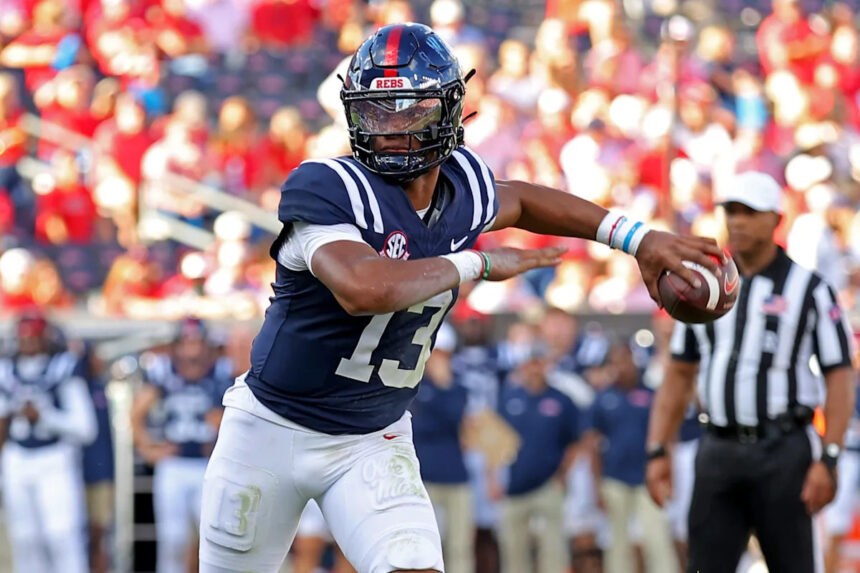
Trinidad Chambliss vs. The NCAA: A Mississippi Quarterback’s Legal Hail Mary for Eligibility
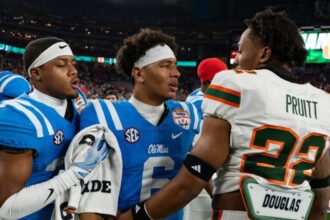
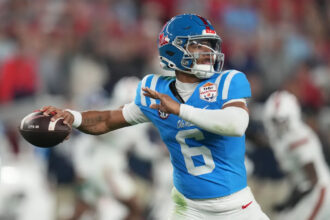
In a move that could reverberate through college athletics, Mississippi quarterback Trinidad Chambliss has launched a legal challenge against the NCAA, filing a lawsuit in a Mississippi court seeking an extra year of eligibility. The case, filed on January 16 in the Chancery Court of Lafayette County, accuses the governing body of a “bad-faith, unreasonable” decision in denying his waiver request. Represented by high-profile attorney Tom Mars and Mississippi lawyer William Liston, Chambliss isn’t just appealing a ruling; he’s taking the NCAA to court, setting the stage for a high-stakes battle over athlete rights, institutional power, and the often-Byzantine rules that govern collegiate careers.
The Core of the Controversy: Chambliss’s Eligibility Clock
While the specific, personal details leading to Chambliss’s waiver request are not fully public, the lawsuit frames the NCAA’s denial as an arbitrary and unjust act. At its heart, the case revolves around the NCAA’s complex eligibility clock, which typically allows athletes five years to compete in four seasons of competition. Waivers for a sixth year are granted sparingly, usually for circumstances beyond an athlete’s control that caused them to miss multiple seasons, such as severe injury or illness.
Chambliss’s legal team, spearheaded by the formidable Tom Mars—an attorney renowned for winning high-profile eligibility and transfer cases—argues the NCAA failed to follow its own guidelines and acted without merit. The choice of venue is also strategic; filing in a Mississippi state court could seek to leverage home-field advantage and potentially more sympathetic local jurisprudence against the national association.
- Key Legal Figure: Tom Mars, known as the “NCAA’s legal nemesis,” brings a proven track record of holding the association accountable in waiver disputes.
- Strategic Venue: The Chancery Court of Lafayette County, Mississippi, places the NCAA on the defensive in the athlete’s home state.
- The Allegation: Beyond a simple denial, the suit claims the NCAA’s process was conducted in “bad faith,” a serious charge that implies intentional obstruction.
Expert Analysis: A Symptom of a Broken System
This lawsuit is not an isolated incident but rather a symptom of the growing friction in the post-Alston, NIL-era of college sports. Legal and compliance experts see the Chambliss case as part of a broader pattern where athletes, empowered by shifting legal landscapes, are increasingly willing to challenge the NCAA’s final authority.
“The NCAA’s waiver process has long been criticized for its lack of transparency and consistency,” notes Dr. Amanda Avery, a sports law professor. “What we’re seeing now is that athletes and their representatives are no longer willing to accept a ‘no’ as the final answer, especially when it appears capricious. Hiring an attorney like Tom Mars isn’t just about one player’s year; it’s a signal that the old model of unilateral governance is crumbling.”
The case also intersects with the volatile world of the transfer portal and team roster construction. As highlighted in analyses of the best transfer classes, programs are building their futures on immediate eligibility. A denied waiver doesn’t just affect a player; it can derail a team’s strategic planning. Chambliss’s fight is thus being watched closely by coaches and administrators nationwide, who are tired of what they see as unpredictable and damaging rulings from the NCAA committee.
Predictions: Potential Outcomes and Ripple Effects
The immediate goal for Chambliss is clear: a court order, likely a temporary injunction, that would grant him the ability to play in the 2026 season while the case proceeds. Given the timeline of college football, speed is of the essence. The longer-term outcomes, however, could be far more significant.
Scenario 1: A Swift Settlement. The NCAA has a history of settling cases when faced with a strong legal challenge in a state court, particularly to avoid a precedent-setting loss. A settlement granting Chambliss his year would be a victory for the quarterback but keep the systemic issues unaddressed.
Scenario 2: A Precedent-Setting Ruling. If the case moves forward and a judge rules against the NCAA, it could establish a new legal standard in Mississippi—and potentially beyond—for how courts review the association’s eligibility decisions. This would open the floodgates for similar lawsuits from athletes in similar situations.
Scenario 3: Accelerated Pressure for Legislative Change. Regardless of the verdict, this lawsuit adds fuel to the fire for those advocating for a complete overhaul of the NCAA’s governance structure. It provides a concrete, human example of the association’s disputed power, which could influence ongoing discussions in Congress about a federal standard for college athletics.
The Bigger Picture: Athlete Agency in a New Era
Trinidad Chambliss’s lawsuit is a powerful testament to the evolving concept of athlete agency. Today’s college athletes are not passive recipients of NCAA decrees. With access to legal counsel, the ability to profit from their NIL, and a growing cultural shift recognizing their rights as participants in a multi-billion dollar industry, they are asserting control over their careers in unprecedented ways.
This case underscores several critical themes in modern college sports:
- The Legalization of Sports Disputes: More and more, the playing field for eligibility battles is the courtroom, not the committee room.
- The Erosion of the NCAA’s “Final Say”: Each legal challenge, successful or not, chips away at the perception of the NCAA’s inviolable authority.
- The High Stakes of Roster Management: As teams aggressively build through the portal, the certainty of a player’s eligibility becomes paramount, making the NCAA’s waiver process a critical—and often resented—variable.
In conclusion, the lawsuit filed by Trinidad Chambliss is far more than a dispute over a single season. It is a microcosm of the revolution currently transforming college athletics. It pits the individual athlete against the monolithic NCAA, questions the fairness of a opaque system, and utilizes the legal system to seek justice where internal appeals have failed. Whether he takes a snap in 2026 or not, Chambliss has already thrown a significant pass, one that could help redefine the balance of power in collegiate sports for years to come. The entire industry will be watching the docket in Lafayette County, knowing the outcome could signal a new chapter in the ever-contentious relationship between the NCAA and the athletes it governs.
Source: Based on news from Yahoo Sports.