‘We Really Messed Up’: The Chasm Between Europe’s Elite and Its Forgotten Champions
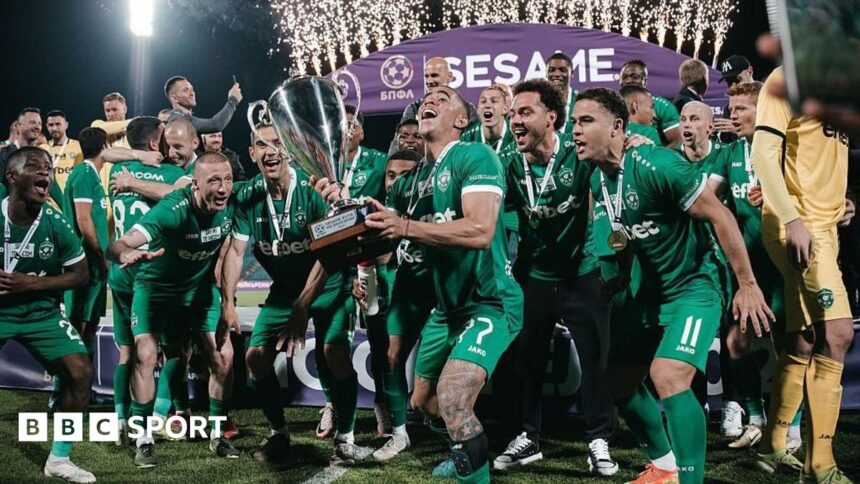
In the verdant north-east of Bulgaria, a dynasty celebrates. FC Ludogorets Razgrad have just secured their 14th consecutive Bulgarian First League title, a streak of domestic dominance unmatched anywhere in Europe. Yet, as the confetti settles in Razgrad, a more telling statistic emerges: according to Transfermarkt, the champions ranked only seventh in average attendance in their own league last season. This disconnect is a microcosm of a profound and widening crisis. From the boardrooms of the continent’s super clubs to the stands of its one-horse races, a damning verdict is being whispered, then shouted: European football’s competitive ecosystem is broken. The question is no longer if it needs more balance, but whether it can survive without it.
The Razgrad Paradox: Dominance Without Glory
Ludogorets present the most stark illustration of modern football’s middle class. Their 14-title streak is a global anomaly; only Tafea of Vanuatu have more consecutive championships. Built on the wealth of local oligarch Kiril Domuschiev, they are a perfectly engineered domestic winning machine. Yet, this very supremacy has become their continental cage.
Too powerful for their domestic rivals, they are simultaneously not strong enough to meaningfully compete with the Champions League elite. They haven’t reached the group stage for a decade, trapped in a purgatory of playoff defeats. Their story highlights a critical flaw: financial disparity destroys competitive integrity not just at the very top, but at every level of the pyramid. The domestic league becomes a predictable procession, undermining fan engagement (hence the attendance figures), while the chasm to the next European tier is now a canyon. “We really messed up,” one senior UEFA official reportedly conceded in private, acknowledging the system’s failures. Ludogorets are not alone; similar stories of sterile dominance play out from Croatia to Serbia, Hungary to Greece.
The Super League by Stealth: A Champions League of Few Nations
While clubs like Ludogorets strain to glimpse the elite, the competition they aspire to has transformed beyond recognition. The 2024/25 Champions League, which began as a knockout cup for champions in 1992, now features 36 teams in its league phase. A closer look at the composition is revealing:
- Six teams from England
- Five teams from Spain
- Four teams from Italy
- Four teams from Germany
These four nations alone account for over half the participants. The pool of winners has narrowed dramatically; since 2005, only clubs from England, Spain, Germany, Italy, and Portugal have lifted the trophy. This concentration of wealth and success is self-perpetuating. UEFA’s TV rights deal exploded from £500m in 2003-04 to £2.8bn in 2023-24, with the post-2027 cycle predicted to smash the £4bn barrier. Yet, this colossal wealth is distributed through a coefficient system that rewards historical success, effectively guaranteeing more money and more spots to the same leagues in a vicious cycle.
The new ‘Swiss Model’ format, with more games and more teams from big leagues, was sold as progressive. In reality, it institutionalizes the advantage of the wealthy, creating a closed shop in all but name. The dream of a champion from a smaller nation, like Steaua Bucharest or Red Star Belgrade, is now statistically almost impossible.
Consequences of the Imbalance: A Sport Eating Itself
The ramifications of this extreme imbalance are corrosive and multi-layered. The sport is suffering from a crisis of meaning at both ends of the spectrum.
For Dominant Domestic Clubs (Like Ludogorets):
Their leagues become devalued, seen as mere obligatory steps to a Champions League qualifier. Fan apathy sets in, eroding the cultural bedrock of the game. Squad building becomes schizophrenic—a team too good for Sunday but not ready for Tuesday.
For The European Elite:
A paradox emerges. The financial gap ensures their survival, but the death of competitive suspense threatens the product’s allure. When group stages are processions and the same clubs meet in later rounds annually, fatigue sets in. The magic of the competition—its unpredictability—is extinguished.
For The Middle and Lower Tiers:
The trickle-down economics has stalled. The financial pull of the Premier League or Saudi Pro League strips these leagues of their best talent at younger ages, for smaller fees, creating a permanent development league status. The dream is outsourced.
Re-Balancing the Scales: Radical Solutions for a Radical Problem
Mending this delicate ecosystem requires courage that conflicts with commercial interests. Tinkering with coefficients or offering marginal extra qualification spots is palliative care. True recovery needs structural surgery.
First, a radical overhaul of revenue distribution is non-negotiable. A larger, fixed percentage of UEFA’s billions must be allocated as solidarity payments to clubs not in European competition and to federations for grassroots development. The merit-based payments for past performance must be drastically reduced.
Second, UEFA must re-embrace the “champions” in the Champions League. Guaranteeing group-stage spots to more domestic title winners from middle-and lower-ranked nations would inject essential novelty and preserve the core sporting principle. A cap on the number of teams per country (four maximum) should be reinstated.
Third, broader financial regulation must be enforced. Strengthening Financial Fair Play (FFP) to tightly link squad costs to organic revenue, not owner wealth, would prevent state-backed or oligarch-funded projects from creating unbridgeable domestic gaps, as seen in Razgrad, Paris, or Manchester.
Finally, federations must be incentivized to innovate domestically. Could a pan-regional Balkan or Baltic league offer the critical mass to compete? It’s a controversial but increasingly discussed idea to combat the gravitational pull of the big five.
Conclusion: The Choice Between Crowns and Soul
Ludogorets stand one title from tying a world record, a testament to incredible consistency. Yet, their story is not one of triumph but of systemic failure. They are the ghost at the feast of European football’s prosperity, a living reminder that a sport where the same clubs win every year, whether in Bulgaria or in the Champions League, is a sport in deep trouble.
The phrase “we really messed up” is a starting point. The path forward requires acknowledging that endless growth for the few is killing the vitality of the whole. The choice is stark: continue to crown the same few with ever-shinier, ever-more-valuable trophies, or take bold steps to restore the competitive soul that made European football the world’s greatest sporting spectacle. Without balance, the ecosystem will collapse, leaving even the mightiest giants standing alone in a deserted landscape.
Source: Based on news from BBC Sport.