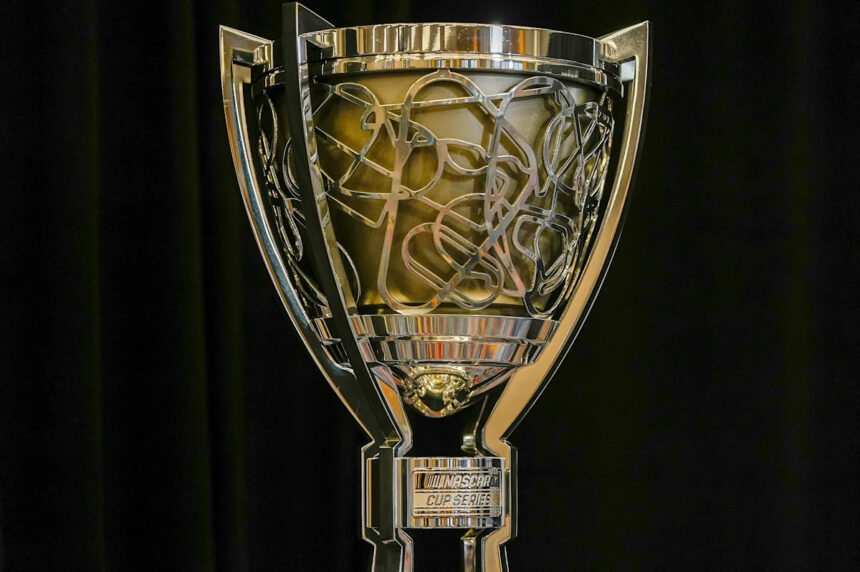
The 2026 Chase for the NASCAR Cup: A Return to Tradition on 10 Iconic Tracks
NASCAR is steering back toward its roots with a seismic shift in its championship format. For the 2026 season, the elimination-style “Playoffs” are in the rearview mirror, replaced by the triumphant return of a simplified, season-long crucible: The Chase for the Championship. This 10-race sprint to the title will crown a champion based on pure, accumulated points, rewarding consistency and peak performance under pressure. The stage for this dramatic return is a meticulously curated slate of 10 racetracks, each with its own unique character and challenges. From the hallowed Southern short tracks to the sprawling superspeedways, the 2026 Chase will be a definitive test of driver and team. Here is the complete, official schedule of the 10 races that will decide the 2026 NASCAR Cup Series champion.
The 2026 NASCAR Chase for the Championship: The Complete 10-Race Schedule
The 2026 Chase kicks off on a symbolic date—the day before Labor Day—and unfolds over ten weekends, culminating in the season finale on November 8th. This schedule is a deliberate blend of NASCAR’s foundational venues and its modern marvels, creating a narrative arc that honors history while showcasing the sport’s evolution. The following is the official lineup of tracks and dates that will comprise the championship battle.
- Race 1: World Wide Technology Raceway (Madison, Illinois) – Sunday, August 31
- Race 2: Darlington Raceway (Darlington, South Carolina) – Sunday, September 7
- Race 3: Bristol Motor Speedway (Bristol, Tennessee) – Saturday, September 14
- Race 4: Texas Motor Speedway (Fort Worth, Texas) – Sunday, September 21
- Race 5: Talladega Superspeedway (Lincoln, Alabama) – Sunday, September 28
- Race 6: Charlotte Motor Speedway Roval (Concord, North Carolina) – Sunday, October 5
- Race 7: Las Vegas Motor Speedway (Las Vegas, Nevada) – Sunday, October 12
- Race 8: Homestead-Miami Speedway (Homestead, Florida) – Sunday, October 26
- Race 9: Martinsville Speedway (Ridgeway, Virginia) – Sunday, November 2
- Race 10: Phoenix Raceway (Avondale, Arizona) – Sunday, November 8
Track Analysis: The Grueling Gauntlet of the Chase
This 10-race schedule is not a random assortment; it’s a strategic masterpiece designed to test every facet of a team’s capabilities. The return to a cumulative points format means every position in every race carries immense weight, turning each event into a high-stakes battle.
The opening salvo at World Wide Technology Raceway is a brilliant move. This gritty 1.25-mile oval demands precision and patience, a far cry from the playoff chaos of recent years. It sets a tone: this Chase will be won by smart, calculated racing. The subsequent Southern swing through Darlington (“The Lady in Black”) and Bristol (“The Last Great Colosseum”) are nods to NASCAR’s heritage, where car control and resilience are paramount. The wild card arrives early with Talladega Superspeedway, the ultimate points equalizer where the “Big One” can instantly reshape the championship standings.
The second half introduces technical and strategic diversity. The Charlotte Roval combines oval banking with a twisting infroad course, testing a driver’s road-racing prowess. Las Vegas provides a 1.5-mile intermediate test, while Homestead-Miami returns to its rightful place as a Chase deciding track, famed for its progressive banking and side-by-side racing. The finale at Phoenix Raceway remains, a fitting short track-style conclusion where drivers can truly race for the win and the title.
Strategic Implications: How the Format Change Reshapes the Battle
The shift from an elimination playoff to a 10-race points accumulation Chase fundamentally alters team strategy and driver mentality. Under the old format, a single bad race could end a title hope. In the 2026 system, consistency is king. A driver can afford a subpar finish, but they cannot afford a collapse. The pressure is a constant, simmering force over ten weeks rather than sudden, high-stakes eliminations.
This format heavily favors teams with depth and adaptability. Crew chiefs must balance aggression with points management, especially at volatile tracks like Talladega. There will be no “points reset,” meaning a driver who builds an early lead in the first few Chase races can apply immense pressure on the field. Conversely, it allows for dramatic comebacks, setting the stage for a potential season-long narrative duel between two or three contenders. The importance of stage points and race wins (which still carry significant bonus points) is magnified, making every lap of every Chase race consequential.
Early Predictions for the 2026 Championship Chase
While predicting winners two seasons out is a speculative endeavor, the format and schedule offer clear clues. Drivers known for their week-in, week-out consistency and versatility across track types will be immediate favorites. Expect veterans with proven records at these specific tracks to have a distinct advantage.
The schedule seems tailor-made for drivers who excel on intermediate tracks and short tracks, which make up the majority of the Chase. The inclusion of a road course and a superspeedway ensures the champion will be a complete competitor. Look for teams to begin building their 2026 strategy now, with a focus on mastering this specific 10-race sequence. The return to Homestead-Miami as a Chase race, rather than the finale, could produce a pivotal momentum shift in late October. Ultimately, the driver who can navigate the chaos of Talladega, conquer the toughness of Darlington and Bristol, and execute flawlessly at Phoenix will hoist the 2026 Cup.
The Final Lap: A Championship Defined by Endurance
The 2026 NASCAR Chase for the Championship represents more than a format change; it’s a philosophical return to the sport’s core identity. By pitting the top 16 drivers against each other over ten distinct and demanding races, NASCAR is re-establishing its premier championship as a marathon, not a series of sprints. It rewards the team that performs best across the full spectrum of challenges the sport has to offer, from the paint-trading short tracks to the aerodynamic-dependent speedways.
This 10-race gauntlet, starting at the gritty World Wide Technology Raceway and ending under the Arizona lights at Phoenix, is poised to create a classic championship narrative. It will be a story of resilience, strategic brilliance, and raw speed. For drivers and fans alike, the message is clear: to be called champion in 2026, you must simply be the best, everywhere, for ten long weeks. The chase is back, and it will be unforgettable.
Source: Based on news from Yahoo Sports.