Why Did Michigan Fire Sherrone Moore? Inside the Wolverines’ Stunning Decision
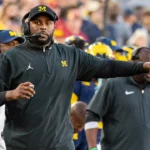
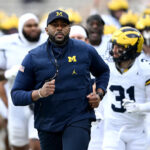
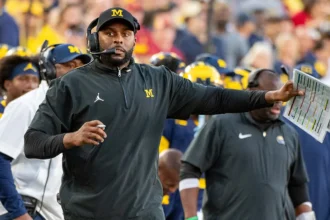
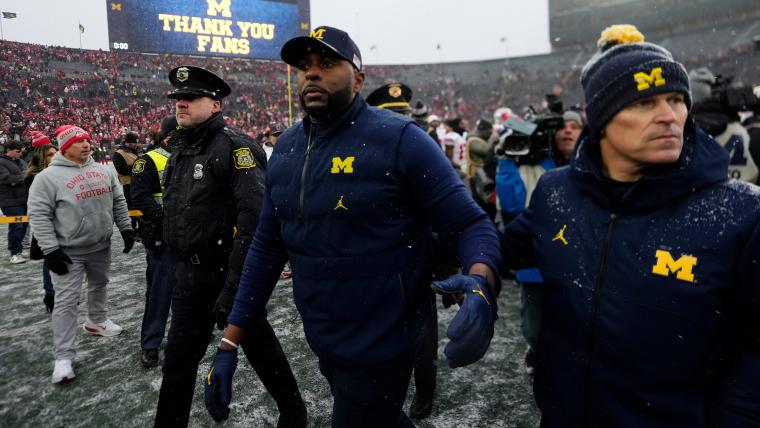
The University of Michigan, a program built on a foundation of stability and tradition, has sent shockwaves through the college football world. Mere months after celebrating a national championship, the Wolverines have fired head coach Sherrone Moore for cause, according to a report from ESPN’s Pete Thamel. This decision, emerging just after the early signing period and at the conclusion of Moore’s second season, is a seismic and unexpected turn for a program that appeared to be in a period of transition, not turmoil. The move raises immediate and profound questions about the future of one of the sport’s most iconic brands.
Moore, the offensive line coach and offensive coordinator who served as the emotional heartbeat of the 2023 title run during Jim Harbaugh’s suspensions, was seen as the natural successor. His promotion to head coach was met with widespread approval from players and fans alike. Yet, the Michigan administration has made a stunning, decisive move to cut ties, suggesting that issues far beyond win-loss records have come to light. This is not a simple coaching change; it’s a dramatic course correction that will define Michigan football for years to come.
The Official “For Cause” Designation: A Legal and Financial Earthquake
The critical phrase in Thamel’s report is “fired for cause.” This is not a standard buyout or mutual parting of ways. Terminating a coach for cause is a serious legal and contractual action that relieves the university of the remaining financial obligations on Moore’s contract, which was set to pay him millions over the coming years.
Universities invoke “for cause” clauses only under specific, severe circumstances, typically outlined in the contract. Common grounds include:
- Significant or repeated NCAA violations that implicate the head coach directly.
- Egregious misconduct or acts of moral turpitude.
- Material breach of contract terms.
- Actions that bring substantial disgrace or scandal to the university.
By taking this route, Michigan’s leadership is signaling that they believe they have uncovered evidence of such a breach. This move is as much a financial and legal statement as it is a football one, protecting the institution from liability while simultaneously drawing a line in the sand about acceptable conduct.
Unpacking the Potential Reasons Behind the Dismissal
While the university has yet to release detailed findings, the “for cause” firing points to several plausible, and serious, avenues of investigation that likely extend beyond the already-resolved Connor Stalions sign-stealing scandal from the previous regime.
New NCAA Compliance Issues: The most immediate suspicion falls on potential new NCAA infractions that occurred under Moore’s watch as head coach. Given Michigan’s recent probationary status, the administration has zero tolerance for violations. This could involve impermissible benefits, recruiting violations, or practice schedule breaches. If Moore was found to have knowingly violated rules or failed to monitor his staff adequately, it would provide clear grounds for dismissal.
Internal Power Struggle and Administration Rift: Moore was unequivocally “Jim Harbaugh’s guy.” With a new athletic director, Warde Manuel, and a university president, Santa Ono, tasked with steering the program into a new era, there may have been a fundamental clash in vision or philosophy. Moore’s leadership style, staffing decisions, or handling of internal program matters may have conflicted with the administration’s desired direction, leading to an irreparable breakdown.
Personnel or Player Relations Breakdown: The locker room culture that seemed so unified could have fractured. A significant rift with key players, assistant coaches, or support staff—one that threatened team cohesion or the university’s reputation—could force an administration’s hand, especially if it led to transfers or public discord.
Biff Poggi: The Interim Steward in a Time of Crisis
In the wake of the firing, Michigan has turned to a familiar and formidable figure to steady the ship: Biff Poggi. The associate head coach is not your typical interim placeholder. A former highly successful high school coach and a key culture-setter on Harbaugh’s staff, Poggi commands immense respect. His appointment is a clear move to provide immediate stability and maintain continuity with the current roster during this chaotic period.
Poggi’s tasks are Herculean: retain a recruiting class and current players who signed up to play for Moore, manage the transfer portal exodus that will inevitably begin, and lead the team through offseason activities while a national search is conducted. His deep relationships within the program make him the ideal candidate to prevent a total collapse in the short term.
Expert Analysis: The Stakes and the Fallout
From a journalistic and strategic perspective, the timing of this decision is as calculated as it is brutal. By acting shortly after the early signing period, Michigan minimizes the immediate impact on the incoming freshman class, as signed National Letters of Intent (NLIs) are more difficult to break. It also gives the new coaching search a head start before the second transfer portal window.
However, the fallout is already cascading. The message to the college football world is that Michigan prioritized institutional integrity and control over short-term football continuity. This will be hailed by some as a courageous stand and criticized by others as a reckless destabilization of a championship-caliber program.
The coaching search now becomes the defining story of Michigan’s offseason. The pool of candidates will be scrutinized for both coaching acumen and impeccable compliance backgrounds. Names with clean records and proven leadership, such as Kansas’ Lance Leipold or perhaps even a return for a current NFL coach with Michigan ties, will immediately surface. The administration must now prove that this painful decision was the first step in a coherent plan, not a reactionary panic.
Predictions and What’s Next for the Wolverines
The path forward for Michigan football is fraught with challenge and uncertainty. Several key developments are now in motion:
- Immediate Portal Exodus: Expect several high-profile Wolverines, particularly those closely aligned with Moore, to enter the transfer portal. Poggi’s first job is damage control.
- A Meticulous, High-Stakes Search: Michigan cannot afford a miss on this hire. The process will be slow, thorough, and likely target a sitting head coach with a spotless reputation.
- NCAA Implications: If this firing is tied to new violations, an NCAA investigation will follow, potentially leading to further sanctions and extending the cloud over the program.
- Cultural Reset: The “Michigan Man” ethos is under a microscope. The next coach will be tasked not just with winning games, but with rebuilding a culture that the administration feels was compromised.
Conclusion: A Program at a Crossroads
The firing of Sherrone Moore for cause is more than a headline; it is a watershed moment for Michigan athletics. It represents a brutal choice by the administration to confront a problem—however severe and undisclosed—head-on, accepting short-term chaos in pursuit of long-term institutional health. The romantic narrative of the loyal assistant steering the championship ship has been shattered by the cold realities of contract law, compliance departments, and high-stakes governance.
While the full story behind “why did Michigan fire Sherrone Moore” may take time to emerge, the consequence is clear: the Wolverines are embarking on their most uncertain offseason in decades. The legacy of the 2023 national championship is now permanently intertwined with the scandal that preceded it and the stunning dismissal that followed. The pressure is now on the Michigan administration to prove that this painful, shocking decision was not the end of an era, but the necessary first step toward a new, stable, and victorious one. The entire sport will be watching.
Source: Based on news from Yahoo Sports.