Why Saints drafted Jordyn Tyson at No. 8 overall in NFL Draft
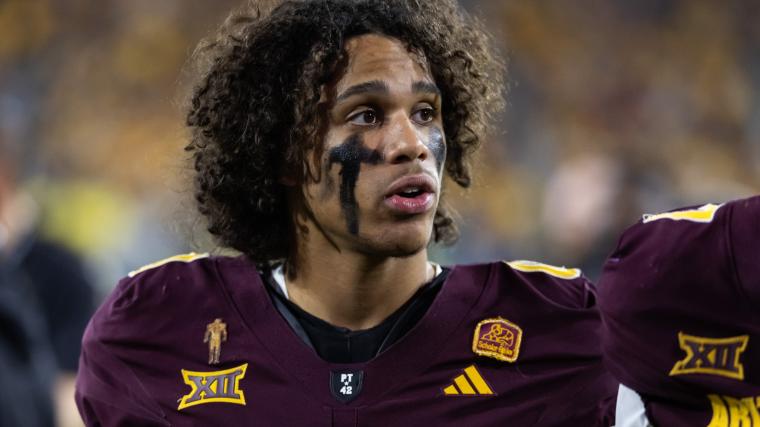
The New Orleans Saints entered the 2026 NFL Draft with a clear mission: restock the cupboard with high-impact talent at premium positions. When the clock ticked down at pick No. 8, the franchise made a bold statement by selecting Arizona State wide receiver Jordyn Tyson. While the move raised eyebrows among analysts who expected a defensive addition, the reasoning behind the pick is rooted in a calculated offensive evolution.
As Nick Underhill of NewOrleans.Football reports, the Saints have drafted Jordyn Tyson, one of the top wide receivers in this year’s class. The pick comes after a relatively predictable first seven selections—aside from Mansoor Delane going to the Kansas City Chiefs and Carnell Tate landing with the Tennessee Titans, the board fell as expected. But New Orleans chose to zig while others zagged. Here is the full breakdown of why the Saints made this decision and what it means for their future.
The Saints’ Roster Puzzle: Edge, Corner, or Receiver?
Coming into the draft, the Saints had three glaring needs: edge rusher, cornerback, and wide receiver. Most mock drafts projected New Orleans to target a pass rusher or a lockdown corner at No. 8. However, the front office saw something different in Jordyn Tyson—a player they believe can transform the entire offensive identity.
Chris Olave remains the team’s clear No. 1 receiver, but the depth behind him is thin. Rashid Shaheed is a dynamic deep threat, but he has struggled with durability and consistency. Beyond that, the receiving corps lacks a physical, contested-catch specialist who can win on third down and in the red zone. Tyson fills that void immediately.
- Edge rusher need: The Saints have veteran options but lack a young, explosive bookend opposite Carl Granderson.
- Cornerback need: Marshon Lattimore’s future is uncertain, and Alontae Taylor is still developing.
- Wide receiver need: A clear No. 2 option who can draw coverage away from Olave and create mismatches.
The decision to draft Tyson signals that the Saints believe the offensive line and defensive front can be addressed later in the draft or via free agency. They prioritized a weapon who can make an immediate impact in Klint Kubiak’s system.
Why Jordyn Tyson Was the Right Pick at No. 8
Jordyn Tyson isn’t just a fast riser—he’s a complete wide receiver who dominated at Arizona State. Standing 6-foot-2 and weighing 210 pounds, Tyson combines elite ball-tracking ability with a physical playing style that translates well to the NFL. He led the Sun Devils in receptions, yards, and touchdowns in 2025, showcasing the kind of production that forces defenses to game-plan around him.
What makes Tyson special?
- Contested catch wizard: He won over 65% of his contested targets in college, a rate that rivals top NFL prospects.
- Route-running polish: Tyson runs a crisp route tree, with excellent footwork out of breaks and the ability to separate at the top of routes.
- Red zone threat: His 12 touchdown catches last season came primarily from inside the 20-yard line, a skill the Saints have lacked since Jimmy Graham’s prime.
- Yards after catch: Despite his size, Tyson is elusive in the open field, averaging over 7 yards after the catch per reception.
The Saints’ coaching staff has emphasized the need for a receiver who can win in tight windows—especially with quarterback Derek Carr’s preference for throwing into traffic. Tyson’s catch radius and hand strength make him a perfect fit for Carr’s aggressive downfield style.
Furthermore, the 2026 NFL Draft was deep at edge rusher and cornerback, but the top-tier wide receiver class was thin. By taking Tyson at No. 8, New Orleans secured a player who would have been gone by pick 12. It’s a classic “best player available” move that also addresses a critical need.
How Tyson Fits with Chris Olave and the Offense
The immediate question from fans and analysts is simple: Why draft a receiver when you already have Chris Olave? The answer lies in how modern NFL offenses operate. Elite teams deploy multiple pass-catching threats who can stress defenses horizontally and vertically. With Olave commanding double teams, Tyson will see single coverage on the outside—a matchup he can exploit consistently.
The Saints’ new-look passing attack:
- Chris Olave: Deep threat and primary target, stretching safeties.
- Jordyn Tyson: Intermediate and red-zone specialist, winning contested catches.
- Rashid Shaheed: Speed threat and gadget player, moving in motion.
- Taysom Hill: Utility weapon, creating mismatches in the slot or backfield.
- Juwan Johnson: Tight end who can work the seams.
This grouping gives Klint Kubiak the flexibility to run a variety of personnel packages. Tyson can line up as an X receiver on the outside or slide into the slot to create mismatches against safeties and linebackers. His ability to block on the perimeter also helps in the run game, which remains a staple of the Saints’ identity.
Additionally, drafting Tyson takes pressure off Olave. Over the past two seasons, Olave has dealt with nagging injuries and inconsistent quarterback play. Adding a reliable No. 2 receiver reduces the need for Olave to be superhuman every week. If defenses double Olave, Tyson will feast. If they shade coverage toward Tyson, Olave will have more room to operate. It’s a symbiotic relationship that raises the ceiling of the entire offense.
Expert Analysis: Grade and Immediate Impact
From a draft-grade perspective, the Saints’ selection of Jordyn Tyson at No. 8 is a solid B+ to A-. It’s not the flashy pick that generates headlines, but it’s a smart, value-driven choice that aligns with the team’s long-term vision. The Saints avoided reaching for a defensive player who might have been available later and instead grabbed a blue-chip offensive weapon.
Prediction for Year 1: Tyson will start immediately as the No. 2 wide receiver. Expect 60-70 receptions, 800-900 yards, and 6-8 touchdowns. His production will be especially high in the red zone, where his size and body control make him a nightmare for defensive backs. If Carr stays healthy, Tyson could challenge for Offensive Rookie of the Year honors.
Long-term outlook: By 2027, Tyson should be a Pro Bowl candidate. His skill set is built for longevity, and the Saints’ offensive system will only improve as he develops chemistry with the quarterback. The pick also gives New Orleans flexibility in future drafts—they no longer have to force a receiver pick.
Strong Conclusion: A Calculated Bet on Offensive Firepower
The New Orleans Saints drafted Jordyn Tyson at No. 8 overall because they understand the modern NFL: you win with points, and you score points with dynamic weapons. While edge rusher and cornerback remain needs, the front office trusted the depth of this draft class to address those positions later. Tyson represents a commitment to building an offense that can compete with the high-powered attacks of the NFC South—namely, the Atlanta Falcons and Tampa Bay Buccaneers.
This pick is not a slight to Chris Olave; it’s an endorsement of him. By pairing Olave with a physical, reliable No. 2 receiver, the Saints are creating a duo that can challenge any secondary in the league. For a team that has struggled with offensive consistency in recent years, Jordyn Tyson is the spark they needed.
For more draft coverage, including live tracker, pick-by-pick grades, and best players still available, visit the 2026 NFL Draft HQ. And don’t forget: Why Saints drafted Jordyn Tyson at No. 8 overall in NFL Draft originally appeared on The Sporting News. Add The Sporting News as a Preferred Source by clicking here.
Source: Based on news from Yahoo Sports.