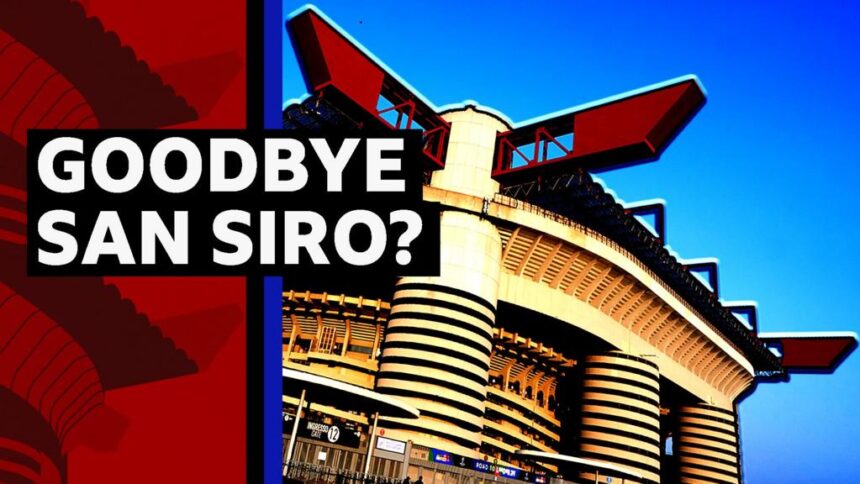
The Final Whistle? Why Time is Running Out for Milan’s Iconic San Siro
The Stadio Giuseppe Meazza, known to the world as the San Siro, is more than brick, concrete, and steel. It is a living archive of footballing legend. The thunderous noise of its spiraling ramps, the ghosts of Van Basten, Ronaldo, and Shevchenko in its corridors, and the shared passion of AC Milan and Inter Milan fans have made it a global cathedral of sport. Yet, as BBC Sport’s visit ahead of the Winter Olympics opening ceremony highlighted, this iconic venue faces a future where its final global event may already be in the past. The confirmation of its demolition is not just an urban planning decision; it is the poignant closing of a monumental chapter.
A Cathedral Showing Its Age: The Inescapable Reality
Walking the halls of the San Siro today is a study in glorious contradiction. The history is palpable, but so are the structural and economic realities that seal its fate. Built in 1926 and expanded for the 1990 World Cup, the stadium is an architectural icon, but its design is now a relic of a different era.
The challenges are insurmountable for modern elite football:
- Revenue Deficit: The vast majority of its 80,000 seats are traditional terracing with limited legroom. In an age where matchday income is driven by premium hospitality, executive boxes, and diversified fan experiences, San Siro is financially uncompetitive with newer European arenas.
- Maintenance Burden: The cost of maintaining the aging concrete structure, much of which is exposed to the elements, is colossal. Funds that could be spent on squad development are diverted to upkeep.
- Fan Experience: While the atmosphere is legendary, amenities are not. Long queues for basic facilities and limited food and beverage options fall short of modern standards for comfort and accessibility.
- Single-Purpose Design: Unlike contemporary, multi-use arenas designed for concerts and events year-round, San Siro is a pure football stadium, limiting its economic utility.
As one stadium executive noted during the BBC visit, hosting the Olympics ceremony was a fitting, if bittersweet, “grand finale” for the old lady on the global stage.
The New Dawn: “The Cathedral” and Its Promise
In response, AC Milan and Inter Milan have embarked on a joint venture not to renovate, but to replace. Their plan is a state-of-the-art new stadium, currently dubbed “The Cathedral,” to be built adjacent to the current San Siro grounds. This project is the clubs’ clear vision for a sustainable future.
The new stadium promises a revolution:
- Year-Round Revenue Engine: With a reduced capacity of around 65,000, the focus shifts to premium seating, hospitality suites, and a 360-degree fan experience. It will be designed as a hub for entertainment, with retail, dining, and a live event arena integrated into the district.
- Architectural Ambition: Early renders suggest a stunning, modern structure that nods to Milan’s design heritage, potentially with a light facade reminiscent of the Duomo’s stained glass.
- Neighborhood Regeneration: The project, “The Cathedral,” is the centerpiece of a larger district redevelopment plan, aiming to transform the entire San Siro area into a vibrant commercial and social destination.
This is not merely a new ground; it is a strategic business imperative to keep pace with the Premier League’s financial might and the new Bernabéus and Camp Nous of the world.
The Heart vs. The Ledger: A City Divided
The confirmed demolition plan has ignited a fierce debate that splits sentimentality and pragmatism. Preservationists, fans, and architectural historians argue that the San Siro is a protected cultural asset, a symbol of Milanese and Italian identity that cannot be simply torn down. They see its unique, intimidating design as irreplaceable.
On the other side, the clubs and many modernists point to the undeniable truth: sentiment cannot pay for world-class squads. They argue that clinging to the past jeopardizes the future competitiveness of both Milan giants. The bureaucratic delays and legal challenges faced by the project, often fueled by heritage concerns, have only reinforced the clubs’ stance that building anew is faster and more efficient than attempting a complex, costly renovation of a listed structure.
The emotional toll is real. For generations, the ritual of the matchday pilgrimage to the specific curve, the smell of the turf, and the roar cascading from the upper tiers are memories etched into family history. Replicating that visceral emotion in a sleek, new bowl is the project’s greatest intangible challenge.
Predictions: What Becomes of a Legend?
So, what does the future hold? The path forward, while legally confirmed, remains emotionally fraught.
First, expect a protracted and symbolic farewell. The final derby, the final European night, the final Serie A match will be events of profound emotion, covered globally. The clubs will undoubtedly orchestrate a season-long send-off worthy of the stadium’s legacy.
Second, the demolition will likely be partial and respectful. The most likely scenario is not a sudden implosion, but a staged deconstruction. Key architectural elements—the distinctive corner towers, sections of the facade, the iconic spiral ramps—may be preserved and integrated into the new district as monuments or in a museum dedicated to the stadium’s history.
Finally, the new district’s success will be the ultimate judgment. If “The Cathedral” becomes a thriving, atmospheric home that boosts the clubs’ fortunes while honoring the past through a dedicated museum and preserved relics, resistance may soften. If it feels like a sterile, corporate bowl disconnected from its history, the ghost of the San Siro will loom large over it forever.
Conclusion: More Than a Stadium, A Memory in Concrete
The San Siro’s fate is a microcosm of modern football’s eternal conflict: the relentless march of commercial progress against the sacred weight of tradition. Its impending demolition is not a defeat, but an acknowledgment that even icons must yield to time. The concrete is crumbling, but the legend is indestructible.
The true essence of the San Siro was never solely in its architecture, but in the collective human experience it housed. That cannot be demolished. It will migrate, in stories and scars, to the new stands. The challenge for AC Milan and Inter is to ensure that when the final piece of the old coliseum is removed, they have built not just a new stadium, but a new vessel capable of carrying a century of soul into football’s next era. The final whistle for the San Siro is blowing, but its echo, like the roar of a long-forgotten goal, will never truly fade.
Source: Based on news from BBC Sport.