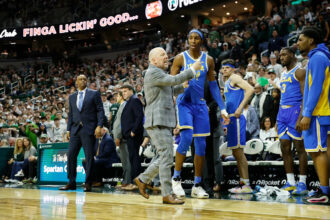
Wideman Out as Mystics GM After One Season: A Tumultuous Turn in Washington
In a move that has sent shockwaves through the WNBA, the Washington Mystics have parted ways with General Manager Jamila Wideman after just one season at the helm. The decision, confirmed by a league source, stems from serious strategic differences within the organization, cutting short a tenure that began with immense promise. Wideman, a respected former player and league executive, was hired to steer the franchise through a pivotal transition. Her abrupt departure raises urgent questions about the Mystics’ direction, the stability of their front office, and the future of a team caught between a celebrated past and an uncertain future.
A Clash of Visions: Unpacking the “Strategic Differences”
While the official statement will likely cite the standard “parting ways” language, the league source’s pinpointing of strategic differences is a telling clue. In professional sports, this phrase is often a catch-all for fundamental disagreements on team-building philosophy, financial investment, and competitive timeline. Wideman, who came from the NBA’s player development sphere, was likely tasked with a complex, multi-year rebuild following the retirement of cornerstone Elena Delle Donne and other roster upheaval.
The friction likely centered on the pace and method of that rebuild. Did ownership seek a quicker retool, perhaps through aggressive free agency, while Wideman advocated for patience and draft capital? Were there disagreements on the valuation of current players or the handling of key assets like the No. 6 overall pick in the 2024 draft (which became Aaliyah Edwards)? The Mystics are a franchise with a recent championship pedigree (2019), and the pressure to remain competitive while rebuilding is immense. This front office turmoil suggests a deep divide on how to navigate that delicate balance.
Wideman’s Brief Tenure: High Hopes, Sudden End
Jamila Wideman’s hiring in December 2023 was heralded as a progressive step. Her resume was unique: a Stanford standout, a pioneering WNBA player, a law degree from Stanford, and extensive experience as the NBA’s Vice President of Player Development. She represented a new breed of executive, one with a holistic understanding of athlete development and league operations.
Her single season saw several key moves:
- Drafting Aaliyah Edwards: Selecting the UConn star with the sixth pick was widely praised as a steal, adding a tough, defensive-minded forward to the core.
- Managing a Transitional Roster: She navigated a season led by veterans like Ariel Atkins and Shakira Austin, while integrating younger talent.
- Inheriting a Complex Cap Situation: The Mystics had significant financial commitments, limiting immediate flexibility for a major overhaul.
Ultimately, one season is an impossibly short timeframe to judge a GM’s plan. Her ouster implies the disagreements were profound and irreconcilable, preventing her from even beginning to execute her long-term vision.
The Ripple Effect: Implications for the Mystics Franchise
This instability at the top creates immediate and concerning ripple effects throughout the organization. For a team trying to establish a new identity, consistency in leadership is paramount. The search for a new GM now becomes the franchise’s most pressing offseason task, overshadowing draft preparation and free agency planning.
The impact will be felt most acutely in:
- Player Confidence and Morale: Players, especially young cornerstones like Shakira Austin, commit to organizations believing in a stable plan. This sudden change can create uncertainty and erode trust.
- Free Agency Appeal: With no permanent GM, what is the sales pitch to potential free agents? The lack of a clear, committed architect makes Washington a less attractive destination.
- Coaching Staff Dynamics: Head Coach Eric Thibault, who just completed his second season, now faces working with a third different primary front-office partner in three years. This affects roster construction and philosophical alignment.
This move risks labeling the Mystics as a volatile front office environment, a reputation that can set a franchise back for years in a league where player empowerment and relationships are crucial.
Expert Analysis: What This Says About the WNBA’s Growth Pains
From a league-wide perspective, Wideman’s rapid exit is a microcosm of the WNBA’s accelerating business pressures. As franchise valuations skyrocket and investment pours in, ownership patience can wear thin. The margin for error feels smaller, and the demand for quick returns grows louder, even in situations that logically require patience.
“This is a classic case of the modern sports dilemma,” notes a veteran WNBA analyst. “You have a highly intelligent, process-oriented executive like Wideman who likely presented a three-to-five-year blueprint for sustainable success. But ownership, seeing packed arenas and rising revenues across the league, may have wanted a shortcut. The clash between process and immediacy is becoming more common as the stakes get higher.”
Furthermore, it highlights the intense challenge of rebuilding a contender in today’s WNBA. With super-teams consolidating talent, the path for a middle-tier team is fraught with difficult decisions. The Mystics’ power struggle reveals the internal tension that these competitive pressures create.
Predictions: What’s Next for the Mystics and Wideman?
The path forward for both parties is now under a microscope.
For the Washington Mystics: The ownership group, led by Ted Leonsis (Monumental Sports & Entertainment), must run a swift but thorough search. They will be pressured to hire an experienced executive who can provide immediate stability and articulate a clear, unified vision. Key decisions loom on the futures of veterans like Brittney Sykes and the development of their young core. This next hire will signal whether the organization is truly committed to a patient rebuild or seeks a faster, riskier route back to contention.
For Jamila Wideman: Despite this abrupt ending, her stock around the league likely remains high. Her intellect, experience, and player-centric perspective are still valuable assets. She may return to the NBA executive ranks or find a more aligned opportunity in the WNBA where a franchise is explicitly seeking a long-term architect. Her departure from Washington is a setback, not a career-definer, for a executive of her caliber.
Conclusion: A Pivotal Crossroads in the Nation’s Capital
The ousting of Jamila Wideman is more than a simple front-office change; it is a symptom of the intense pressures and high-stakes decisions defining the modern WNBA. What was framed a year ago as a forward-thinking hire has ended in a fracture over fundamental strategy, leaving the Mystics at a precarious crossroads. The organization’s next move will be its most critical in a decade. Will they choose a leader who aligns with a patient, build-from-within model, or will they pivot toward a strategy demanding quick fixes and major swings?
For fans in Washington, the hope for a smooth transition into a new era has been replaced by familiar anxiety. The championship glow of 2019 has fully faded, and the path back to the summit now appears more complex and uncertain than ever. The legacy of this one-season GM tenure will be defined not by the moves Jamila Wideman made, but by the profound instability her departure reveals and the consequential hire that must now follow.
Source: Based on news from ESPN.