Ashes Pressure Gauge: Which Players Are Wilting Under the Scrutiny?
The Ashes, cricket’s ultimate pressure cooker, has a way of distilling a player’s character into a series of defining moments. After Australia’s emphatic eight-wicket victory at Lord’s to seize a commanding 2-0 series lead, the narrative has shifted decisively. While Pat Cummins’ men stand tall, several key figures in the England setup are now facing intense scrutiny, their techniques and temperaments questioned under the harsh glare of Ashes combat. This isn’t just about poor form; it’s about the psychological toll of the biggest stage. We rate the players on the edge and assess who is showing signs of wilting under the relentless pressure.
The Lord’s Litmus Test: A Match of Missed Chances
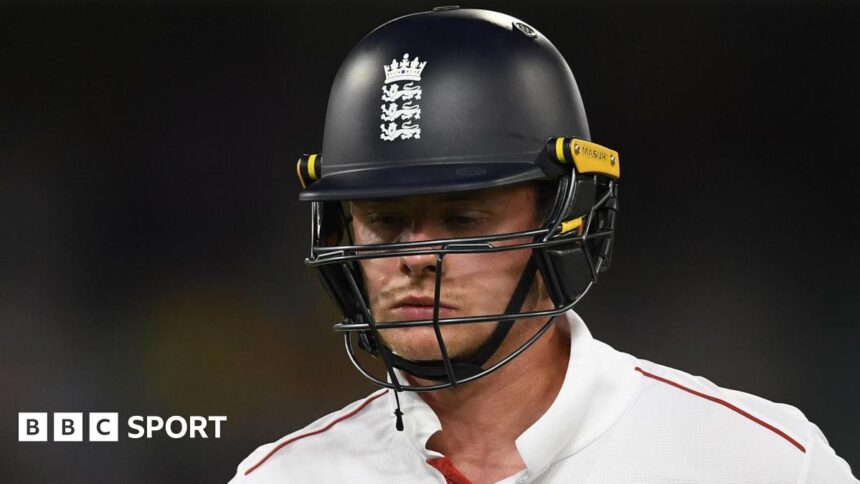
The second Test was a tale of two contrasting mindsets. Australia, clinical and ruthless, pounced on every error. England, for all their ‘Bazball’ bravado, were left to rue a catalogue of costly mistakes that extended beyond mere batting or bowling. The most damning summary came from the BBC’s Test Match Special, which lamented a dismissal with the phrase, ‘That is such a whimper’ – a sentiment that encapsulates England’s fragile state. From dropped catches to reckless shots at critical junctures, the pressure of the scoreboard and the series deficit visibly warped decision-making. When the heat was on, Australia absorbed it; England, in key moments, were burned by it.
Players Under the Microscope: England’s Pressure Points
For England, the inquest is already underway. Certain players are now carrying the weight of the series into a must-win third Test at Headingley.
- Ollie Pope (Vice-Captain): Tasked with the pivotal number three role, Pope’s technical frailties against high-quality pace have been brutally exposed. His first-innings drop of Alex Carey off Stuart Broad was a crucial moment in the game, reprieving a batter who would go on to make a vital 66 in a low-scoring context. With the bat, he was undone by a near-unplayable grubber from Scott Boland in the second innings, but his first-innings dismissal raised familiar concerns. The pressure of the role and the situation seems to be compounding his struggles.
- Jonny Bairstow (Wicketkeeper): Bairstow’s series has been a personal ordeal, both physically after his long injury layoff and now technically under fire. His keeping, notably the missed opportunities, has become a significant liability. With the bat, he showed courage in the first innings to fight after a first-Test pair, but his second-innings charge and subsequent dismissal felt like a thoughtless shot given the match context. Every move is now magnified; he is, without doubt, playing for his future in the team.
- James Anderson: The legendary seamer has looked uncharacteristically subdued. With just three wickets at an average north of 70 in the series, his threat has been neutralized. The question is whether this is a simple dip in rhythm or if the physical demands of the Ashes, at 40 years old, are finally impacting his ability to dictate terms. The pressure to lead the attack isn’t yielding results.
The Australian Fortitude: Thriving When It Matters
In stark contrast, Australia’s players have not just handled the pressure; they’ve weaponized it.
- Steve Smith: The archetypal Ashes warrior. His first-innings 110 was a masterclass in situational batting, grafting on a difficult pitch. The pressure of the occasion is his oxygen.
- Pat Cummins & Mitchell Starc: Their bowling at the ‘death’ of the England first innings was a brutal exhibition of high-pressure execution. They targeted the tail with vicious precision, turning a potential 250+ score into 325. This clinical edge is the difference between the sides.
- Alex Carey: Survived the first-baller, which can happen to anyone, and the dropped catch to compose a match-shaping innings. His resilience after personal scrutiny highlights a squad-wide mental strength.
Headingley Forecast: Who Bends, Who Breaks?
As the series moves to Leeds, the psychological battlefield is set. For England, changes are likely, but the core of their philosophy—and several under-pressure players—must stand up. The prediction is a team reacting in one of two ways: with a galvanized, backs-against-the-wall performance, or with a further disintegration of confidence.
Ollie Pope and Jonny Bairstow face the ultimate test of nerve. Another failure could see their positions become untenable. For Australia, the strategy is clear: maintain the pressure. Continue to target Pope’s channel outside off, test Bairstow’s footwork and patience early, and wear down Anderson’s ageing body with long batting sessions. They have proven they can sustain pressure for longer periods, and they will back that to break England’s resolve once more.
Conclusion: The Weight of the Urn
The Ashes are often won not by who plays the most spectacular cricket, but by who best withstands the relentless, session-by-session pressure. Currently, Australia wears it like armour. England, in key positions, are buckling under its weight. The dropped catches, the reckless dismissals, and the inability to strike with the ball at crucial times are all symptoms of a side feeling the scoreboard and historical precedent pressing down on them. While Australia’s stars have risen to the occasion, several of England’s are wilting. The third Test at Headingley is no longer just about cricket skills; it is a profound examination of character. Can England’s embattled players find the fortitude to withstand the heat, or will Australia’s cool, calculated pressure see them retain the urn with two Tests to spare? The pressure gauge is reading critical.
Source: Based on news from BBC Sport.
Image: Source – Original Article