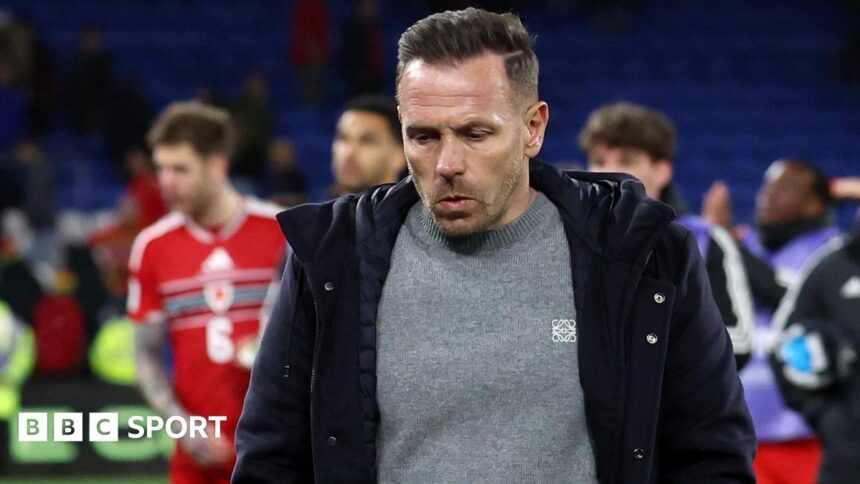
Bellamy’s Warning Ignored: Wales’ World Cup Dream Ends in Penalty Chaos
The cruel, silent walk from the center circle. The unbearable weight of a nation’s hope resting on the turn of an ankle. For Wales, the dream of a first World Cup since 1958 evaporated not in a blaze of glory, but in the cold, clinical chaos of a penalty shootout. The 3-1 defeat to Bosnia and Herzegovina in the play-off semi-final was a story foretold, a prophecy from manager Craig Bellamy that went tragically unheeded. In the end, Wales did not lose to a moment of magic, but to the very bedlam their leader had explicitly warned them to avoid.
A Prophetic Warning Lost in the Heat of Battle
In the pre-match calm, Craig Bellamy’s message was crystalline. “Do not get involved in chaos. A chaotic game will not suit us, it suits them,” he stated, his words carrying the sharp insight of a veteran who has seen campaigns derailed by emotion. Bellamy understood the dichotomy of the occasion. For Bosnia, a nation fuelled by passionate support and individual flair, a fractured, emotional contest was the perfect leveller. For Wales, a team built on structured resilience and tactical cohesion since the halcyon days of the Bale-Allen era, order was everything.
Yet, when the first whistle blew in Zenica, the script was torn up. The early stages saw Wales, perhaps burdened by the magnitude of the prize, playing into Bosnia’s hands. The game became a frantic, physical scrap, played between the lines of Bosnia’s disruptive press and the fervent roar of the home crowd. Passes were rushed. Decisions were hurried. The very tactical discipline that had been Wales’ hallmark dissolved into a survivalist frenzy. Bellamy, watching from the touchline, could only see his worst fears materializing in real time.
Where the Control Slipped Away: A Tactical Autopsy
Analyzing the 120 minutes of football reveals the precise moments where Wales surrendered to the chaos. It was not a constant state, but a fatal lapse in critical periods.
- Midfield Overrun: Bosnia’s energetic midfield trio, led by the brilliant Amir Hadžiahmetović, consistently broke the lines between Wales’ defensive and midfield units. This disrupted the supply to Wales’ creative players and forced the back line into desperate, long-ball clearances—a tactic that ceded possession and invited further pressure.
- Emotional Reactivity: Key Welsh players became embroiled in niggling fouls and exchanges with opponents and officials. This emotional investment in the “fight” rather than the “game plan” drained focus and played directly into the hosts’ strategy of destabilization.
- Missed Transition Opportunities: On the rare occasions Wales did win the ball in structured positions, the composure to hold possession, draw the Bosnian press, and exploit the spaces left behind was missing. The instinct was to relieve pressure immediately, rather than to control and dictate.
Paradoxically, Wales grew into the game and even had periods of dominance, particularly in extra time. But by then, the pattern of a chaotic, emotionally draining contest was set. The psychological toll of fighting the game’s tempo, the crowd, and their own instincts left them exhausted—physically and mentally—by the time the penalty spot was wheeled out.
The Penalty Curse and the Weight of History
Penalties are often called a lottery, but they are, in fact, the ultimate test of nerve under chaos. The shootout is chaos institutionalized. For Wales, it has become a recurring nightmare. This defeat marks a third consecutive major tournament exit via spot-kicks (Euro 2020, World Cup 2022 play-off, and now 2026). This points to a deep-seated psychological hurdle that transcends individual squads.
In Zenica, the technique faltered under the weight of the moment. Shots were placed within comfortable reach of the goalkeeper, a sign of tension and indecision. While Bosnia’s takers strode forward with defiant confidence, Wales’ approach seemed burdened by the ghosts of past failures and the sheer desperation to end the drought. The chaos of the preceding two hours had eroded the clear-headed certainty required in that most pressurized of situations.
Bellamy’s Rebuild and the Road to 2028
This shattering defeat marks the end of an era and the true beginning of the Craig Bellamy project. The last vestiges of the “Golden Generation” are fading, and the manager now faces a fundamental rebuild. The immediate takeaways are stark:
- Cultural Reset: Bellamy must instill a new level of game-management maturity. His players must learn to be ice-cold executors of a plan, even when surrounded by fire.
- Midfield Reinvention: Identifying and developing a midfield that can control tempo under duress is the paramount tactical task. The side needs a metronome immune to opposition noise.
- Penalty Preparedness: This must move from an afterthought to a core component of Wales’ footballing identity. The mental block must be broken through relentless, scenario-based training.
The future, however, holds a beacon. With automatic qualification for Euro 2028 as co-hosts, Wales has a guaranteed platform on the biggest stage. This provides a clear, stable target for Bellamy’s new-look side to develop without the unbearable pressure of a qualification campaign. The goal shifts from desperate pursuit to confident preparation.
Conclusion: A Painful Lesson in the Cost of Chaos
Wales’ World Cup dream did not die in a single missed penalty. It perished in the accumulated moments where they forgot their manager’s wisdom and allowed the game to spiral into anarchy. Craig Bellamy, the intense competitor, had diagnosed the exact poison that could kill his team’s hopes. To see his players drink from that very cup will be the most agonizing aspect of his debut campaign.
This exit is a brutal lesson in international football’s fine margins. Talent and effort are not enough; the ability to impose your structure, to quiet the storm around you, is what separates qualifying teams from those who fall agonizingly short. For the next generation of Welsh players, the instruction is now etched in history: Heed Bellamy’s Warning. The path to the world’s stage is paved not with reactive passion, but with unwavering control. The dream is postponed, but the blueprint for its eventual realization has never been clearer.
Source: Based on news from BBC Sport.