Bill Belichick Hall of Fame Snub Sparks Outrage: A Legacy Questioned by a Single Vote?
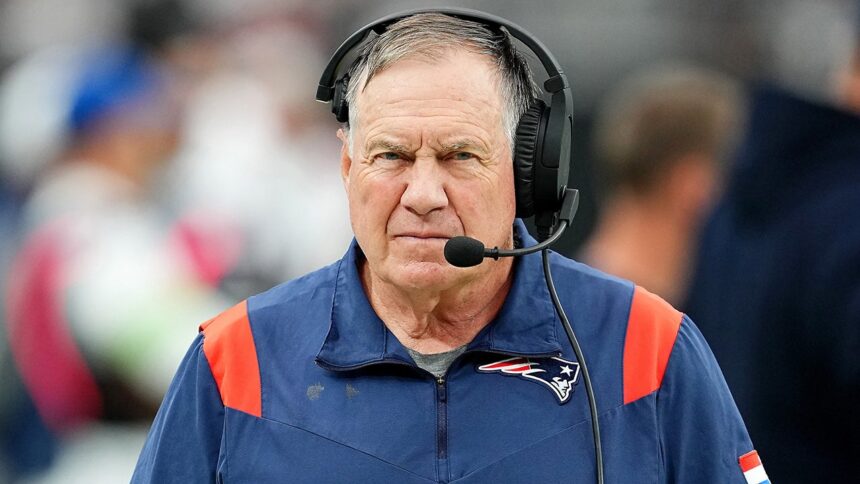
The Pro Football Hall of Fame is designed to be the ultimate sanctuary for the sport’s legends, a place where legacies are etched in bronze and debate is settled. But in a stunning twist, the process itself has ignited a firestorm, centering on the most decorated coach in NFL history. Reports that Bill Belichick, architect of the New England Patriots dynasty, has missed out on first-ballot Hall of Fame induction have sent shockwaves through the football world, drawing swift and fierce backlash from analysts, fans, and former players alike. The notion that the coach with six Super Bowl rings and a resume of unprecedented sustained success isn’t an automatic, unanimous selection strikes many as an absurdity that undermines the very institution.
The Unthinkable Snub: Breaking Down the Report
According to the selection process, a special “Coach/Contributor” committee, separate from the modern-era player voters, convenes to consider a small slate of candidates. This year’s group included Belichick, alongside greats like former Bengals QB Ken Anderson, 49ers RB Roger Craig, Steelers DE L.C. Greenwood, and Patriots owner Robert Kraft. While the finalized list of Pro Football Hall of Fame inductees won’t be official until the eve of Super Bowl LX, the leak that Belichick did not receive the necessary 80% vote for first-ballot entry has dominated the sports news cycle.
This isn’t a case of Belichick being permanently excluded; he is all but certain to be inducted in the coming years. The controversy lies in the “first-ballot” distinction—a symbolic tier reserved for the most transcendent figures. For a coach whose career has been defined by historic supremacy, anything less than immediate entry is viewed as a deliberate slight.
- Six-time Super Bowl-winning head coach (most all-time).
- Two-time champion assistant (New York Giants).
- Over 300 career regular-season wins (third all-time).
- 17 AFC East titles in 19 years.
- Architect of the NFL’s definitive 21st-century dynasty.
The backlash questions what more a candidate could possibly do to earn immediate enshrinement. Is any resume, no matter how flawless, subject to the whims of committee politics or personal grudges?
Swift Backlash: The Football World Reacts
The reaction to the news was immediate and incredulous. On FOX Sports, the topic became a focal point of discussion. Analyst and former NFL quarterback Robert Griffin III joined Colin Cowherd to dissect the latest league news, and while their segment covered the Bills and Steelers’ HC hires and Sam Darnold’s performance, the shadow of the Belichick report loomed large. The overarching sentiment from media circles has been one of unified disbelief.
Critics of the decision point to a dangerous precedent. They argue that if Bill Belichick—whose strategic fingerprints are on every aspect of team-building, in-game management, and defensive philosophy for a generation—isn’t a first-ballot lock, then no coach ever will be. The backlash isn’t just about fandom; it’s about the integrity of the Hall’s standards. It suggests that factors beyond on-field achievement—perhaps the lingering aura of “Spygate” and “Deflategate,” or his notoriously brusque media persona—are being unfairly weighed against a football legacy that is, by any objective measure, the greatest in the modern era.
“This isn’t a debate about *if* he belongs,” one prominent commentator stated. “This is a committee inventing drama where none exists. It’s a failure to recognize historic greatness in real time.” The message from the outcry is clear: making Belichick wait, even for a year, tarnishes the Hall’s credibility more than it does his legacy.
Expert Analysis: Decoding the “Why” Behind the Vote
From an expert journalistic perspective, the reported snub reveals the complex, often subjective undercurrents of Hall of Fame voting. Several factors likely contributed to this surprising outcome.
The “Coach/Contributor” Committee Dynamic: This is a separate, smaller group than the main panel. Personal relationships, long-held biases, and a desire to avoid the appearance of a “rubber stamp” can influence votes more heavily in such a setting. Some voters may bizarrely view immediate induction as too easy, wanting to “make him wait” as a misguided sign of the committee’s importance.
The Shadow of Controversy: Fair or not, Belichick’s career is inextricably linked to scandals for some observers. While the championships are undeniable, a faction of the electorate may insist on applying a “character” or “integrity” clause as a punitive measure, a stance many fans and analysts find hypocritical given the inductees with checkered pasts in other categories.
The Kraft Factor: Having both Belichick and team owner Robert Kraft on the same ballot may have created an unexpected complication. Voters might have felt compelled to choose between the architect and the owner, potentially splitting support or deciding that Kraft’s broader “contributor” impact (including key CBA work) was more pressing for this specific cycle.
Ultimately, the analysis points to a process that is inherently human and fallible. It is a reminder that Hall of Fame voting is not a pure algorithm of stats and rings; it is a collection of opinions, and sometimes those opinions defy all logic.
Predictions and Lasting Impact
What happens next? The predictions are straightforward, but the implications are lasting.
First, Bill Belichick will be a Pro Football Hall of Famer, likely by 2026. This delay is a speed bump, not a roadblock. His bronze bust is inevitable. Second, this episode will fuel intense scrutiny of the Hall’s selection committees, especially the more opaque “contributor” panels. Calls for greater transparency or adjusted voting procedures will grow louder.
Most importantly, this moment cements Belichick’s legacy in an unexpected way: by highlighting its immensity. The fact that his non-selection is considered one of the biggest Hall of Fame stories in years proves his singular stature. The backlash affirms that the public and the football intelligentsia view his first-ballot status as a foregone conclusion, making the committee’s reported decision look out of touch.
It also sets a nearly impossible bar for future coaching candidates. When coaches like Andy Reid or Mike Tomlin eventually become eligible, their first-ballot credentials will inevitably be measured against the Belichick precedent. If the greatest of all time had to wait, how can anyone else expect immediate entry?
Conclusion: A Stain on the Process, Not the Legacy
The reported first-ballot snub of Bill Belichick is a baffling footnote in a career of towering achievements. While it will delay a ceremonial moment, it does nothing to diminish the six Lombardi Trophies, the strategic genius, or the two decades of dominance he engineered. The real damage is inflicted upon the Hall of Fame itself, which appears to have momentarily misplaced its mandate to honor the most transformative figures in the sport’s history.
The swift and severe backlash is a correction from the football world—a reminder to the gatekeepers in Canton that some legacies are too vast to be subject to petty deliberation. Bill Belichick didn’t just win more Super Bowls than any other coach; he redefined how the game is played, managed, and won. His eventual enshrinement will be a celebration of that truth. But the unnecessary controversy surrounding its timing will remain a puzzling stain on the process, a testament to the day the Hall of Fame voters, inexplicably, tried to make Bill Belichick wait.
Source: Based on news from Fox Sports.