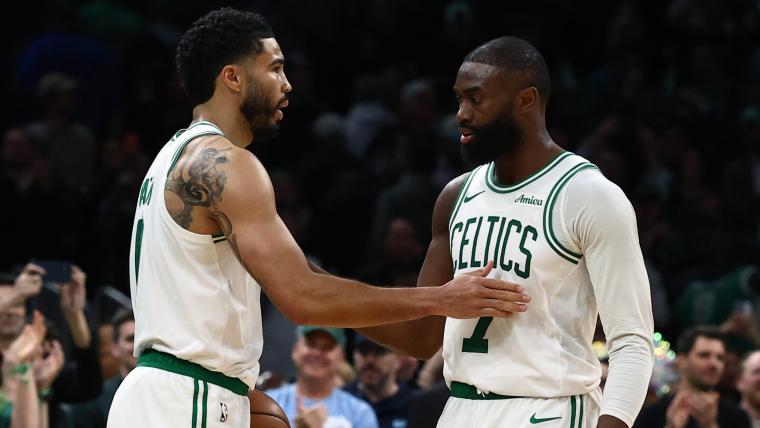
Celtics’ Second Quarter Collapse: Tatum and Mazzulla Diagnose Fatal Flaw in Game 2 Loss to 76ers
The Boston Celtics’ identity, forged over an NBA-best 64-win regular season, is built on a foundation of defensive discipline and relentless execution. For one catastrophic quarter in Game 2 against the Philadelphia 76ers, that identity vanished. In its place was a defensive breakdown so profound it has now defined the narrative of the series, shifting home-court advantage to Philadelphia and sending the Celtics back to the drawing board. In the aftermath, the diagnosis from the team’s two most prominent voices—star Jayson Tatum and head coach Joe Mazzulla—was unanimous and blunt: a second-quarter meltdown, not a last-second shot, was their undoing.
A Quarter That Changed Everything: The 37-Point Implosion
The first frame of Game 2 offered a familiar script. The Celtics, though not spectacular, imposed their will, leading 28-25 and managing a Joel Embiid-less Sixers offense. Then, the floor fell out. Over the next 12 minutes, the Celtics’ defense disintegrated, allowing the 76ers to erupt for 37 points in the second quarter. This wasn’t just about Philadelphia getting hot; it was a systemic failure. The Sixers shot a blistering 68.2% from the field, exploiting mismatches, finding open shooters with ease, and turning defensive stops into early offense.
“It started before halftime,” Tatum observed, pinpointing the moment the game slipped away. Coach Mazzulla echoed the sentiment, noting the quarter was a stark departure from their championship-caliber standards. The lead ballooned to 12 by halftime, a margin that felt monumental against a Sixers team playing with house money and a dialed-in Tyrese Maxey. The Celtics’ hopes of a swift series sweep, as Mazzulla indicated, “flew out of the window right then.”
Diagnosing the Breakdown: More Than Just Missed Shots
While a cold shooting night (10-of-32 from three) will grab headlines, Tatum and Mazzulla’s post-game focus was squarely on the defensive end. Their analysis suggests a multi-layered failure:
- Transition Defense Vanished: The Celtics were consistently slow to get back, allowing Tyrese Maxey to turn the game into a track meet. His 23 first-half points were a dagger, many coming before Boston’s defense could get set.
- Communication Lapses: The complex switching scheme that usually confounds opponents was rife with miscommunications. Simple dribble-handoffs and screens led to wide-open looks, as Celtics defenders were caught between assignments.
- Lack of Physicality: Philadelphia, particularly role players like Kelly Oubre Jr. and Nicolas Batum, played with a desperation and force that Boston failed to match. The Celtics were outworked on 50/50 balls and on the glass during the decisive run.
“We just didn’t play with the same level of physicality and intentionality that we did in Game 1,” Mazzulla stated, highlighting a concerning drop in intensity. This created a cascading effect: poor defense led to easy Philadelphia baskets, which drained energy and compounded offensive frustration.
The Mazzulla-Tatum Dynamic: Leadership in the Face of Adversity
The public unison in diagnosing the problem is as telling as the diagnosis itself. In past playoff stumbles, fingers have been pointed and inconsistencies glossed over. Here, both the coach and the franchise player offered a clear, no-excuses assessment. This reflects a growth in the Mazzulla-Tatum leadership dynamic. Mazzulla, often critiqued for his stoicism, provided specific, actionable criticism. Tatum, who struggled offensively, took ownership by focusing on the team’s collective defensive failings rather than his own shooting woes.
This shared accountability is crucial for a quick turnaround. It prevents the locker room from fracturing and ensures the correction plan is unified. By blasting the second-quarter effort, they are establishing a non-negotiable standard for Game 3: effort and execution are mandatory, regardless of whether shots are falling.
Game 3 Adjustments: How Boston Regains Control
So, what must change for the Celtics to reclaim home-court advantage in Philadelphia? The adjustments are less about Xs and Os and more about re-establishing their core tenets.
First, they must wall off the paint and protect the perimeter in transition. This starts with guards committing to stopping the ball, even if it means sacrificing offensive rebounding. Slowing Maxey’s early-offense magic is priority number one.
Second, simplify the defensive communication. Against a team missing its MVP center, over-switching is unnecessary. Expect more “blitz” or “ice” coverage on pick-and-rolls to get the ball out of Maxey’s hands, trusting their rotations behind the play.
Finally, the offensive process must serve the defensive mindset. Taking quick, contested threes fuels Philadelphia’s transition game. The Celtics need to leverage their size advantage with Tatum and Jaylen Brown in the post, seeking higher-percentage shots that allow their defense to get set.
The return of Kristaps Porzingis, if he is able to play, would be a massive boost, but the Celtics cannot wait for external salvation. The fix, as their leaders have outlined, is internal.
Looking Ahead: A Defining Moment for the Celtics’ Title Quest
The 2024 playoffs were always going to be a test of the Celtics’ mental fortitude. A dominant regular season means nothing if followed by a postseason of inconsistent focus. Game 2’s second quarter is a glaring red flag, a reminder that talent alone does not win in May and June.
However, the swift and honest appraisal from Mazzulla and Tatum is the first step toward correction. Championship teams are not defined by their losses, but by their response. The Celtics now face a quintessential playoff challenge: a wounded opponent with momentum, in a hostile environment.
Prediction: Expect a violently physical and focused Celtics team in Game 3. The defensive intensity will be ratcheted up from the opening tip. While the series is now a battle, Boston’s superior talent and depth, if coupled with the effort their leaders demanded, should see them wrest back control. But the lesson of Game 2 is clear: their margin for error is smaller than their record suggested. The path to a championship requires 48 minutes of their identity, not 36. How they answer that demand will determine their fate.
Source: Based on news from Yahoo Sports.