Kimi Antonelli’s Safety Car Serendipity Seals Stunning First F1 Win in Japanese GP Drama
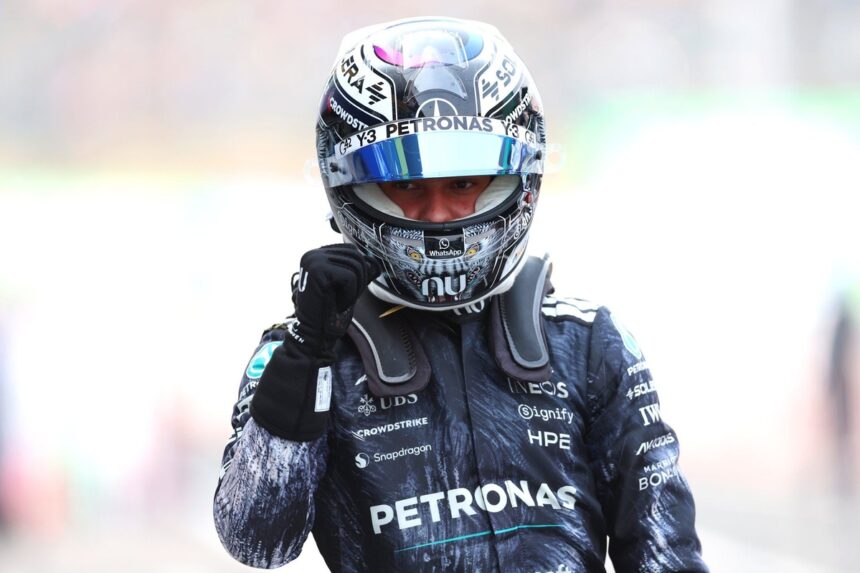
In the hallowed, high-speed halls of Suzuka, a circuit that demands perfection, fortune often favors the brave. But in a dramatic Japanese Grand Prix, it favored the patient. Kimi Antonelli, the teenage sensation thrust into the Mercedes spotlight, emerged from a chaotic afternoon to claim a stunning and somewhat fortuitous maiden Formula 1 victory. A perfectly-timed safety car intervention transformed his race, vaulting him from a chasing pack to the lead, leaving early dominators Oscar Piastri and George Russell to rue what might have been on a day where strategy and serendipity collided.
A Frenetic Start and a Mercedes Malaise
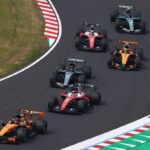
The lights went out under clear Suzuka skies, and the scarlet cars launched like bullets. As in the previous rounds, the Ferrari getaway was exemplary, but this time, the papaya orange of McLaren matched them stride for stride. From third, Oscar Piastri speared into the lead, with Charles Leclerc’s Ferrari and Lando Norris’s McLaren in hot pursuit. The story, however, was at the front row. The Mercedes duo of Antonelli and Russell suffered a sluggish start from the first row, immediately swallowed up by the pack and tumbling to sixth and fourth respectively. It was a disastrous opening that threatened to undo their qualifying brilliance.
What followed was a masterclass in aggressive recovery. The young Italian, showing a maturity beyond his years, didn’t panic. On lap one, he dispatched the seven-time world champion Lewis Hamilton for fifth. His teammate, George Russell, was on a mission of his own, slicing past Norris for third on lap two and then picking off Leclerc for second with a bold move into Turn 1 on lap four. The Mercedes fightback was in full swing, but Piastri, driving with icy precision, remained a distant leader.
The Pit Stop Gambit and the Safety Car Lottery
The race settled into a tense rhythm, with Russell hounding Piastri and Antonelli, after a spirited duel with Norris and a brief tussle with Leclerc, closing in. The strategic chess game began. Mercedes, seeing Antonelli stuck behind the Ferrari, pulled the trigger first, boxing him for hard tires on lap 18 in an undercut attempt on Leclerc. It was a bold, aggressive move designed to leapfrog the Ferrari and get their man into clean air.
Then, chaos. A midfield clash between two backmarkers left debris strewn across the high-speed Esses. The safety car was deployed. For the leaders who had not yet pitted—Piastri, Russell, and Leclerc—it was the worst possible moment. They were forced to dive into the pits, conceding track position. When the field compressed under the yellow flags, the beneficiary was crystal clear: Kimi Antonelli, having pitted just moments before, cycled to the front of the pack. The gamble had paid off in spades. From a scrappy sixth, he was now leading the Japanese Grand Prix.
- Race Leader Before SC: Oscar Piastri (McLaren)
- Critical Move: Mercedes pits Antonelli early (Lap 18).
- Catalyst: Safety Car deployment for debris (Lap 20).
- Race Leader After SC: Kimi Antonelli (Mercedes).
Expert Analysis: A Victory of Strategy and Seizing the Moment
While critics will call this a “lucky” win, true F1 expertise recognizes the layers beneath. Yes, the safety car was a massive stroke of luck, but Mercedes and Antonelli positioned themselves perfectly to capitalize. This is a core tenet of modern F1.
Antonelli’s composure was the true standout. After the restart, he faced relentless pressure from a faster, frustrated Oscar Piastri. The Australian threw everything at the Mercedes, but Antonelli’s defense was impeccable. He used his tire advantage and, crucially, made zero errors on a circuit that punishes the slightest mistake. His earlier overtake on Lewis Hamilton and his persistent pressure on the cars ahead forced Mercedes into the aggressive undercut that ultimately won them the race. He made his own luck.
Conversely, McLaren and Ferrari will conduct painful post-mortems. For Piastri and Russell, dominating the early phase only to be thwarted by timing was a brutal pill to swallow. It highlights the razor-thin margins in today’s F1, where race strategy is as important as raw pace. Ferrari’s race again unraveled after another strong start, raising familiar questions about their in-race decision-making.
Looking Ahead: The Championship Landscape Shifts
This result sends shockwaves through the championship. Antonelli’s victory announces him not just as a future star, but as a present-day threat. The mental fortitude required to win under pressure cannot be overstated, and he displayed it in abundance.
For the coming races, watch for:
- Increased Aggression from Mercedes: This win validates their faith in Antonelli and their aggressive strategy calls. They will be emboldened.
- McLaren’s Response: Piastri and Norris have the fastest car over a lap. They will be seething and come back stronger, but must convert pace into points.
- Ferrari’s Fragility: Leclerc and Sainz need a clean, uninterrupted weekend to challenge. Their race pace remains a question mark.
- The Psychological Boost: A first win lifts an entire team. Antonelli will drive with even greater confidence, making him even more dangerous.
Conclusion: A Star is Born, Forged in Fortune and Skill
The 2024 Japanese Grand Prix will be remembered as the day Kimi Antonelli arrived. While the safety car provided the platform, it was the young Italian’s skill, his team’s daring strategy, and his ice-cool demeanor under fire that built the victory podium. In Formula 1, you need speed, strategy, and sometimes, the stars to align. At Suzuka, Kimi Antonelli proved he has the first, his team provided the second, and fate, in the form of a yellow flag, delivered the third. This was not a fluke; it was a masterclass in being ready when opportunity, however fortuitous, comes knocking. The championship just got a whole lot more interesting.
Source: Based on news from Yahoo Sports.