The Great Pause: Is the Premier League’s Three-Week Break a Blessing or a Curse for Your Club?
The final whistle blows, the stadiums empty, and an unusual quiet descends over England’s football heartlands. For nearly three weeks, the relentless drumbeat of the Premier League is replaced by the distant echo of international friendlies. This extended hiatus, a fixture quirk born of the international calendar, is more than just a pause for breath. It’s a strategic interlude that can redefine seasons, acting as either a healing balm or a momentum-shattering ice bath for clubs locked in their respective battles. As domestic action fades until April 10th, we ask: does this break come at the perfect time, or is it a cruel disruption?
A Momentum Derby: The Title Race’s Psychological Hurdle
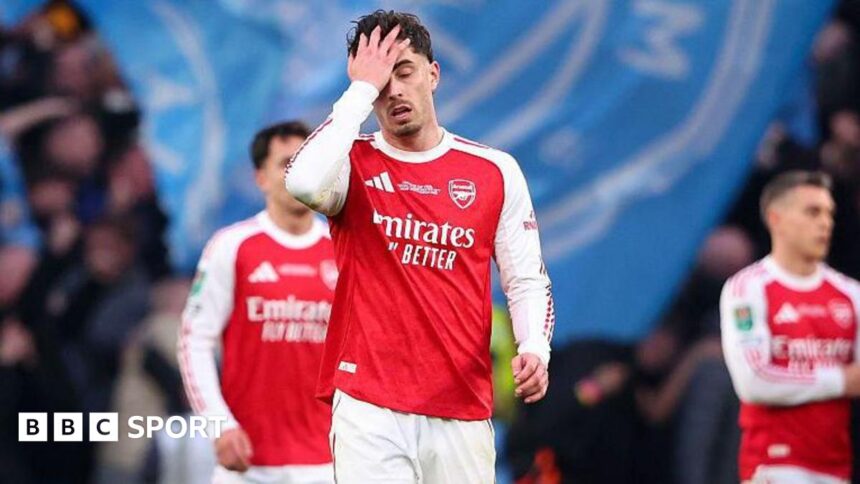
At the summit, where margins are measured in millimetres and mentality, this break is a profound psychological test. Consider Arsenal. Their gut-wrenching defeat to Manchester City at Wembley was a brutal blow, a reminder of the final-step quality required to lift silverware. A normal schedule would force an immediate response, a chance to purge the pain with a league performance. Instead, they sit with it. For Mikel Arteta, this break is a double-edged sword. It allows wounds to heal and key players like Thomas Partey and Gabriel Jesus vital recovery time. Yet, it also risks solidifying a narrative of “same old Arsenal” if not managed expertly. Arteta’s task is to use this period not for brooding, but for tactical recalibration and rebuilding belief.
Contrast this with Liverpool, navigating an injury crisis amidst a farewell tour for Jurgen Klopp. For them, the break is a lifeline. Each passing day brings Diogo Jota, Trent Alexander-Arnold, and Alisson Becker closer to returns. It offers a exhausted squad a physical reset. The challenge for Klopp’s successor-in-waiting, Pepijn Lijnders, will be maintaining the extraordinary emotional pitch and cohesion that has driven their campaign, without the weekly rhythm of games.
And then there is Manchester City. For the relentless winning machine, a break is often just another interval. They have the squad depth to absorb international exertions and the ingrained habit of switching seamlessly between competitions. Their momentum isn’t a fragile wave; it’s a tidal force. The pause likely only helps them integrate Kevin De Bruyne and Erling Haaland more fully into peak rhythm for the final, title-deciding surge.
The European Scramble and Relegation Dogfight: A Chance to Reset
Below the title race, the stakes are just as high, and the break’s impact is equally varied.
For European Hopefuls:
- Aston Villa and Tottenham: Unai Emery will cherish this time to drill his tactically complex system and integrate returning stars. For Ange Postecoglou at Spurs, it’s a golden chance to work on the defensive structure that has been their Achilles’ heel, without the pressure of immediate results.
- Manchester United: Arguably no top-half side needs this break more. Erik ten Hag gets a precious window to work on the training ground, something a crippling injury list has rarely allowed. It’s a last-ditch opportunity to instill a coherent style of play for a desperate push for Champions League football.
- West Ham & Brighton: For teams like these, with squads stretched by European commitments, the physical respite is invaluable. It’s a chance to recharge legs and refocus for a final push.
For the Relegation Battlers:
Here, the break is primarily a managerial tool. For a club like Sheffield United, it may feel like a delay of the inevitable. But for others, it’s a season-saving opportunity.
- New Managers, New Ideas: Nottingham Forest (Nuno Espirito Santo) and Crystal Palace (Oliver Glasner) have new bosses who have had only a handful of games to implement their ideas. These three weeks are a pre-season in miniature, allowing for tactical overhauls and fitness work that could be the difference between survival and the drop.
- Brentford & Everton: For Sean Dyche and Thomas Frank, it’s about regrouping and reinstilling the fighting spirit that may have waned during tough runs. Everton, in particular, can use the time to assimilate returning players and solidify their defensive resilience.
The Hidden Variables: Fitness, Fatigue, and Fixture Pile-Up
The break’s true impact is often revealed in the unseen details. The physical reload for players who have been competing twice a week since August cannot be overstated. A drop in high-intensity injuries in the final run-in is the direct benefit many clubs seek.
However, the international wildcard looms large. A club like Bayern Munich may curse a break that sees Harry Kane play 180 minutes for England, while Arsenal pray Bukayo Saka returns from duty unscathed. The risk of injury or fatigue is simply transferred from the domestic to the international stage.
Furthermore, we must look ahead to the fixture congestion this break creates. The Premier League’s return is immediately followed by a midweek round, with the Champions League and Europa League quarters also in the mix. This pause doesn’t eliminate games; it condenses the calendar later, testing squad depth more than ever.
Predictions: Who Wins and Loses the Break?
Based on the landscape, we can forecast the likely winners and losers of this three-week intermission.
Biggest Winners:
- Liverpool: If they get key players back, the break transforms their outlook entirely.
- Manchester United: The training-ground time is a gift Ten Hag cannot afford to waste.
- Newly-Appointed Managers: Forest and Palace gain crucial implementation time.
Biggest Gamble:
- Arsenal: How they manage the psychological blow of Wembley will define their title challenge. The break is a test of their mental fortitude.
Wildcard:
- Chelsea: Their young, inconsistent squad could benefit from a reset, but the lack of rhythm is just as likely to disrupt any fragile cohesion they’ve built.
The Final Whistle on the Break
The Premier League’s three-week hiatus is not a neutral event. It is an active, shaping force in the narrative of the season. For some, it is a sanctuary—a chance to heal, to learn, and to plan. For others, it is an agonising interruption to a precious rhythm. The true answer to whether it is “good for your side” lies not in the calendar, but in the corridors of the training ground and the mindset of the dressing room.
Clubs that use it proactively—to address tactical flaws, heal physical wounds, and strengthen psychological resolve—will burst back onto the scene on April 10th with renewed vigour. Those who see it merely as a holiday will find themselves quickly left behind in the frantic, unforgiving sprint to the finish line. The Premier League season is a marathon, but this break is the final drinks station. What each team consumes here will determine who hits the wall, and who finds the energy to sprint for glory.
Source: Based on news from BBC Sport.