Naomi Osaka’s Australian Open Journey: A Gritty Victory Overshadowed by Injury Concern
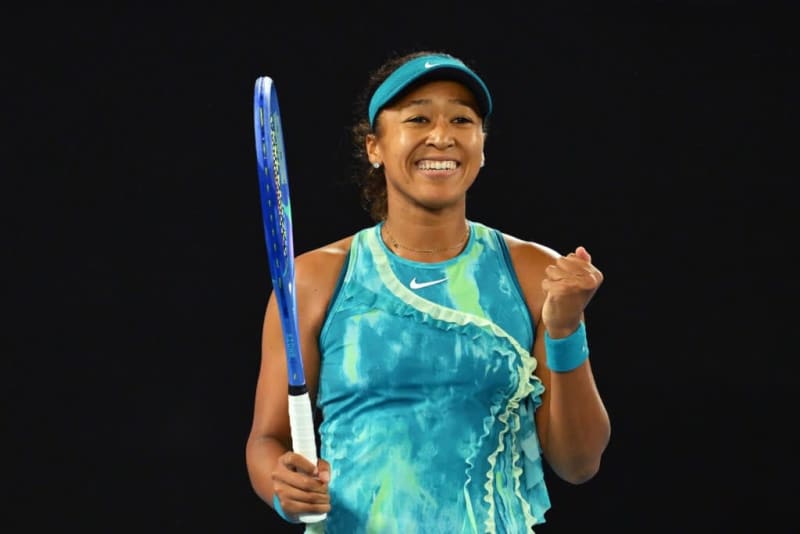
The roar of the crowd in Rod Laver Arena was familiar, the triumphant fist pump a signature of her resurgence. Naomi Osaka, the four-time Grand Slam champion, had just navigated a treacherous second-round match at the Australian Open, defeating the seasoned Sorana Cîrstea 6-3, 6-7(4), 6-4. Yet, in the quiet of the post-match press conference, a different narrative emerged—one not of pure victory, but of a determined battle on two fronts: against her opponent across the net, and against her own body. Osaka revealed a troubling recurring injury that casts a shadow over her inspiring comeback story.
A Triumph Tempered by Physical Toll
Osaka’s path to the third round has been anything but straightforward. Her arrival in Melbourne was preceded by a challenging stint at the United Cup, where she was visibly hampered by illness. That lack of preparation has shown in her opening matches. Following a three-set tussle against qualifier Antonia Ružić, Osaka was once again pushed to the limit by Cîrstea. For over two and a half hours, she wrestled with her game and her fitness, showcasing the champion’s mentality that has defined her career.
However, the physical cost was evident. “I kind of have a recurring injury at the moment,” Osaka disclosed, her tone measured but concerning. She stopped short of specifying the exact nature of the ailment, a common practice among athletes to avoid giving strategic advantages to future opponents. This ambiguity, while tactically sound, amplifies the worry. A recurring injury in the grueling context of a Grand Slam—where matches are best-of-five sets from the fourth round onward—presents a significant hurdle. It suggests a physical vulnerability that could be exploited by the tour’s relentless physicality.
- Gritty Performance: Two consecutive three-set victories demonstrate mental fortitude.
- Lingering Questions: The unspecified nature of the injury leaves her physical ceiling unknown.
- Tournament Strain: Early-round marathons are a dangerous drain with an existing ailment.
Expert Analysis: The Psychology of Playing Through Pain
From a sports psychology and performance standpoint, Osaka’s situation is a fascinating case study. Playing with pain or the fear of re-injury introduces a complex layer to competition. Experts note that athletes in this position often subconsciously alter their mechanics to protect the affected area, which can lead to decreased efficiency and even secondary injuries. For a player like Osaka, whose game is built on explosive power and precise movement, any compromise is magnified.
Her ability to win these matches while managing this issue speaks volumes about her competitive resilience. This is not the Osaka of 2023, who admitted to struggling with the pressure of expectations. This is a player who has spoken openly about rediscovering her love for the game. The challenge now is whether that renewed joy can coexist with the daily management of physical pain. Her press conference demeanor—candid yet focused—indicates a mature acceptance of the situation. She is not making excuses but stating a fact, which is often the first step in a champion’s process of overcoming adversity.
Managing expectations becomes key. The narrative around her comeback shifts from “can she win the title?” to “how far can her body and will carry her?” This altered perspective might, paradoxically, free her up to play more instinctively, as seen in clutch moments against Cîrstea.
The Road Ahead: Maddison Inglis and Beyond
Next for Osaka is a third-round encounter with Australian Maddison Inglis, a wildcard ranked outside the top 100. On paper, this is a favorable matchup, a chance to secure a more straightforward victory. However, it is precisely these types of matches that can be perilous with an injury. The pressure to dominate can lead to over-pressing, and a crafty opponent with home support will look to extend rallies and move her around.
Osaka’s immediate challenge is twofold:
Recovery management between matches will be paramount. Every hour will be dedicated to treatment, physiotherapy, and careful preparation. Secondly, she must devise a tactical approach that maximizes her formidable firepower—her serve and return—while minimizing unnecessary physical strain. Winning efficiently, aiming for a two-set victory, is not just a strategic goal but a medical necessity.
Should she advance, the draw only gets tougher. Potential fourth-round opponents include the in-form Elina Svitolina or two-time champion Victoria Azarenka, both known for their exceptional court coverage and ability to construct punishing points. Surviving that caliber of challenge while carrying an injury is a monumental task.
Prediction: How Far Can Resilience Carry Her?
Predicting Osaka’s trajectory is now an exercise in measuring will against wear-and-tear. The sheer fact she has won two three-set battles while under the weather and managing a recurring issue proves her champion’s heart is fully intact. Her power game, when clicking, can shorten points and keep her out of protracted physical battles.
However, the law of accumulation in a Grand Slam is unforgiving. The most likely scenario is that her journey will be a testament to her fighting spirit, but may have a physical expiration date. A deep run to the quarterfinals or beyond would be an extraordinary achievement under these circumstances, arguably more impressive than some of her prior title wins. It would signal that Naomi Osaka 2.0 is not just mentally refreshed, but possesses a new dimension of grit.
The optimistic view is that each victory and each day of managed recovery builds confidence—both in her game and in her body’s ability to hold up. The pessimistic, yet realistic, view is that the recurring injury will eventually become too acute to overcome against the tour’s elite.
Conclusion: A Comeback Defined by More Than Trophies
Naomi Osaka’s Australian Open is evolving into a story that transcends the simple binary of win or lose. Her victories over Ružić and Cîrstea were statements of intent, proving she retains the skill and nerve to compete at the highest level. The revelation of her injury, however, reframes her entire campaign. This is no longer just about a triumphant return to the top; it is a raw, real-time display of an athlete navigating vulnerability.
Every wince, every extended medical timeout, and every clutch hold of serve will now be viewed through this lens. Her resilience under physical duress is the new metric of her success. Whether her journey ends in the third round or extends deep into the second week, Osaka is already demonstrating that her comeback is built on a foundation more durable than pure physical prowess. It is built on a matured perspective, a rediscovered passion, and a toughness that refuses to yield easily. The tennis world watches, not just to see how far she goes, but to witness the strength it takes to get there.
Source: Based on news from Yahoo Sports.