Dolphins Make Stunning Cap Move, Release Pro Bowl Edge Rusher Bradley Chubb
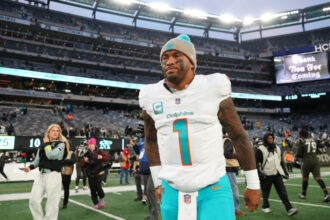
In a move that reverberated across the NFL landscape on Monday, the Miami Dolphins have reportedly parted ways with veteran edge rusher Bradley Chubb. According to multiple reports, the team is releasing the two-time Pro Bowl defender, a decision that marks a significant and costly shift in their defensive strategy. The news comes just months after Chubb completed a remarkable comeback season, leaving fans and analysts to dissect the complex financial calculus behind the surprising transaction.
This is more than a simple roster cut; it’s a stark lesson in NFL salary cap management and the difficult choices teams face when long-term financial projections collide with present-day performance. The release of a player of Chubb’s caliber, coming off a team-leading sack season, signals a pivotal moment for the Dolphins’ front office as they navigate a tight cap situation and chart their course for the future.
The Financial Imperative Behind a Football Decision
While the on-field production was there, the driving force behind this move is unequivocally financial. As noted by NFL Network, this decision was anticipated after the Dolphins restructured Chubb’s contract last year. That maneuver, a common tool to create immediate cap space, effectively pushed significant money into the future.
The result was a looming financial cliff: a monstrous $31.2 million cap hit for 2026 that became untenable for the Dolphins’ long-term planning. By designating Chubb as a post-June 1 release, the Dolphins can spread the dead money hit—the accelerated cap charges from his prorated signing bonus—across the 2025 and 2026 seasons. This provides crucial, immediate relief for the 2025 cap, allowing the team to address other roster needs, including potential extensions for younger stars.
This is the harsh reality of the modern NFL. Teams are forced to make cold, analytical decisions years in advance. The Chubb release is a classic example of “kicking the can down the road” until the can becomes too heavy to move any further. For General Manager Chris Grier, the calculation was clear: the cap savings and future flexibility ultimately outweighed the value of retaining a 29-year-old pass rusher with a significant injury history on a top-of-market deal.
Chubb’s Resilient Comeback and Lasting Legacy
What makes this transaction particularly poignant is the stellar season Bradley Chubb just produced. After missing the entire 2024 season with a torn ACL suffered in December 2023, his future was shrouded in uncertainty. Chubb silenced all doubters in 2025, starting all 17 games and reclaiming his status as a defensive centerpiece.
His stat line was impressive and team-leading:
- 8.5 sacks and 20 quarterback hits
- 47 total tackles
- Two forced fumbles and one fumble recovery
This comeback wasn’t just about numbers; it was a testament to Chubb’s work ethic and resilience. To return from a major knee reconstruction and immediately resume a high level of play is a feat few athletes accomplish. His career totals—48 career sacks, 112 QB hits, 15 forced fumbles—speak to a consistent disruptor when healthy. Drafted fifth overall by the Denver Broncos in 2018, Chubb’s peak season came in 2020 when he recorded 7.5 sacks and earned his second Pro Bowl nod, cementing his reputation as one of the league’s premier edge threats.
What’s Next for Chubb and the Dolphins’ Pass Rush?
Bradley Chubb now enters free agency as one of the most intriguing veterans on the market. While the ACL injury and his recent release raise questions, his proven production in 2025 will make him a coveted asset for teams in need of pass rush help. Expect contenders with specific cap space or a win-now urgency to be at the front of the line. Teams like the Detroit Lions, Atlanta Falcons, or a reunion with a defensive-minded coach like Vic Fangio could be potential fits. His market will likely center on a shorter-term, incentive-laden deal that allows him to rebuild value while providing immediate impact for his new club.
For the Miami Dolphins, the void is substantial. Losing your most productive edge rusher creates an immediate hole on the defensive front. The focus now turns to:
- Jaelan Phillips: The talented young rusher must stay healthy and ascend into a true, every-down alpha.
- The 2025 NFL Draft: Miami will almost certainly use a high pick on an edge defender.
- Remaining Free Agency: Lower-cost veterans could be brought in to provide depth and rotation.
The pressure now intensifies on defensive coordinator Anthony Weaver to scheme pressure and develop younger talent. The Dolphins’ defense, which showed flashes of dominance last season, cannot afford a step back in its pass rush if the team hopes to compete with the AFC’s elite offenses.
A League-Wide Lesson in Cap Management
The Bradley Chubb saga is a microcosm of a league-wide challenge. NFL teams are engaged in a perpetual high-wire act, balancing competitive ambition with fiscal responsibility. The Dolphins’ decision, while brutal, is a proactive attempt to avoid a catastrophic cap situation two years down the line. It underscores a critical front-office philosophy: it’s often better to move on from a player a year too early than a year too late, especially when future flexibility is at stake.
This move also reflects the evolving value assessment of the running back position. Teams are increasingly reluctant to invest heavily in veterans at non-premium positions, preferring to allocate funds to quarterbacks, offensive tackles, wide receivers, and cornerbacks. While edge rusher is a premium spot, the combination of Chubb’s age, injury history, and colossal future cap number made him a casualty of this ruthless calculus.
In conclusion, the release of Bradley Chubb is a transaction born from necessity, not desire. The Miami Dolphins are sacrificing known, high-level production for the oxygen of salary cap space and future optionality. For Chubb, it’s an abrupt end to a tenure that showcased his tremendous heart and skill, but also the unforgiving nature of professional sports. His successful 2025 season proved he still has plenty to offer, and his next chapter will be closely watched. For the Dolphins, the gamble is clear: they believe the resources saved and reallocated will yield a greater return than the player they just let walk out the door. Only the wins and losses in the seasons to come will determine if this difficult, expensive decision was the right one.
Source: Based on news from Deadspin.
Image: CC licensed via www.wallpaperflare.com