Sammie Szmodics Hospitalized After Terrifying Collision in Czech Republic Clash
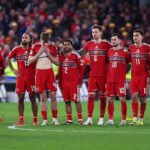
The beautiful game’s inherent drama took a frightening turn in Prague on Thursday night, overshadowing a dramatic penalty shootout defeat for the Republic of Ireland. The focal point of concern became Blackburn Rovers midfielder Sammie Szmodics, who was rushed to a Czech hospital after a sickening, match-ending collision that left him unconscious on the pitch. What began as a night of promising international opportunity for the Championship’s top scorer descended into a scene of medical urgency, casting a pall over Ireland’s heartbreaking 2-2 (4-2 on penalties) loss.
A Night of High Drama Turns Sour: The Incident Unpacked
In a cruel twist of fate, Sammie Szmodics’s introduction as a 105th-minute substitute was meant to inject fresh energy and perhaps see out a hard-fought Irish victory. Instead, within moments, the friendly against the Czech Republic was halted in distressing circumstances. Deep into added time in extra time, a seemingly routine aerial challenge with Czech defender Stephan Chaloupek went horribly wrong. The clash of heads was audible in the hushed stadium, with Szmodics falling motionless to the turf.
The immediate response from medical personnel was swift and decisive. Ireland manager Heimir Hallgrimsson, his post-match comments tinged with concern, outlined the severity. “Sammie was unconscious on the ground, but we have good doctors and they took care of him on the grass,” Hallgrimsson stated. The player was stabilized on the field before being carefully stretchered off and transported directly to a local hospital for comprehensive assessment, where he spent the night under observation.
Medical Protocol and the Road to Recovery
The sight of a player rendered unconscious is one of football’s most alarming. It triggers a stringent and non-negotiable medical protocol, designed entirely around player welfare. The immediate on-field care Szmodics received is the critical first step in managing a potential traumatic brain injury.
Standard procedure following such an incident involves:
- Immediate stabilization of the head and neck to prevent spinal injury.
- A thorough on-pitch assessment for level of consciousness and neurological function.
- Mandatory hospital referral for advanced scanning, typically a CT scan, to check for any bleeding or skull fractures.
- A period of close monitoring for symptoms of concussion, which can include dizziness, nausea, confusion, and memory loss.
Hallgrimsson’s update that Szmodics was “back to consciousness” and would be “tested, checked and monitored” before a hopeful Friday return to Ireland aligns with this cautious, professional approach. The priority shifts entirely from football to health, with a likely extended period of rest and gradual return-to-play protocols mandated by both FAI and his club medical teams.
Football in the Shadow of Concern: Analyzing the Match Itself
While the Szmodics incident rightly dominates the narrative, the match itself was a rollercoaster that exemplified both the promise and fragility of this evolving Irish side. Building a commanding 2-0 lead through first-half goals, Ireland appeared to be navigating a perfect friendly performance—experimenting with tactics, blooding new players, and securing a morale-boosting result.
However, football’s script is rarely so straightforward. A late, deflected Czech goal in regulation time changed the complexion entirely, forcing extra time and ultimately setting the stage for the tragic finale. The psychological blow of conceding so late, combined with the physical and emotional trauma of seeing a teammate seriously injured, undoubtedly contributed to the flat penalty shootout performance that followed.
This match will now be analyzed through a dual lens: the continued development of Hallgrimsson’s system and the profound impact of a traumatic event on a squad. The manager’s task in the coming days is as much about group welfare and solidarity as it is about tactical review.
Looking Ahead: Implications for Szmodics, Ireland, and Blackburn
The immediate future for Sammie Szmodics is clear: complete rest and a meticulous, medically-supervised recovery. Head injuries are not to be trifled with, and the gradual return-to-play protocols will be lengthy. His absence is a significant blow on multiple fronts:
- For the Player: A brutal interruption to his stellar club form and a setback in his quest to establish himself as a key figure for Ireland.
- For the Republic of Ireland: Loses a potent, in-form attacking midfielder ahead of the Nations League campaign, denting squad depth and offensive options.
- For Blackburn Rovers: Faces the prospect of being without their talismanic goal-scorer for the crucial early season period, a devastating scenario for a club with promotion aspirations.
Long-term, the hope is for a full and uncomplicated recovery. However, the incident serves as a stark reminder of the sport’s physical perils. It may also prompt internal discussions within the Irish camp about player welfare management in the intense, condensed schedule of modern football.
Conclusion: A Sobering Reminder of Sport’s True Priorities
The image of Sammie Szmodics leaving the field on a stretcher in Prague is one that lingers, a sobering counterpoint to the highs and lows of a penalty shootout. While the result—a lost lead and a shootout defeat—will be logged in the record books, the true story of this international break is one of human concern over competitive outcome.
Heimir Hallgrimsson’s relieved tone upon confirming Szmodics’s regained consciousness said it all. In these moments, rivalries fade, and the football family’s collective hope is for the health of one of its own. As Szmodics begins his recovery journey, the incident reinforces football’s most fundamental truth: it is, after all, just a game. The wellness of those who play it is the only statistic that truly matters. The entire football community will now await positive updates, hoping to see the Championship’s sharpest shooter back on his feet, and eventually back on the pitch, only when the time is unequivocally right.
Source: Based on news from BBC Sport.